A remodel allowance is a placeholder amount set aside for an item that has not been chosen yet, such as tile, plumbing fixtures or lighting. It keeps an early budget workable, but it only protects you when the scope behind it is written down and the selection is made on time.
Allowances are common in remodeling, and they are often misunderstood. Some homeowners treat an allowance as a fixed price. Others assume it covers everything around the item. Neither is right.
Our goal is to carry as few allowances as possible into your contract, so the numbers in a proposal reflect real choices instead of educated guesses. This guide explains how allowances work, where they cause trouble, and what to ask before you sign anything.
Key Takeaways
- An allowance is a budget placeholder for a specific item or category that has not been selected yet.
- Every selection you make before signing is one less allowance in the contract.
- The written scope tells you what an allowance includes and what it leaves out.
- Long-lead items drive both schedule and decisions, so choose them first.
- Allowances, change orders and contingency are three different things, and each should be explained in writing.
- Ask for the details in your written estimate instead of relying on a verbal description.
What Is a Remodel Allowance and Why Do Remodelers Use One?
An allowance exists because a remodel often has to be priced before every finish is chosen. Cabinet hardware, countertops and tile are common examples.
Instead of leaving those items blank, the proposal assigns a budget amount to each. When you make your actual selection, the final cost is compared with the allowance. If the item costs less, the difference is credited. If it costs more, the difference is added.
The exact handling belongs in your agreement. Read that language closely and ask about anything unclear.
Why Do Allowances Cause Surprises?
Surprises come from four places.
- The allowance was set low to make a proposal look more competitive.
- The scope did not say whether installation, trim or accessories were included.
- The homeowner fell in love with a product that exceeds the placeholder.
- A selection was delayed, and the lead time pushed the schedule.
None of these is inevitable. Each can be addressed before work begins with a specific conversation and a well-written scope.
How Does Scope Definition Protect Your Budget?
An allowance is only as useful as the description attached to it. “Bathroom tile allowance” can mean many things.
These questions make an allowance clear:
- Does it cover material only, or material and installation?
- Does it include accessories, such as trim pieces, niches or edge profiles?
- What square footage was assumed?
- Does it include delivery, sales tax and waste?
When these details are written down, you can compare one proposal with another on equal terms. Our guide on how to compare home addition proposals walks through that process for larger projects.
How Do Selections Turn Allowances Into Real Numbers?
A selection is the moment an allowance becomes a decision. The sooner you see samples and choose, the less uncertainty is left in your budget.
Here is how that works with us. Within 24-48 hours of the home visit you receive a written preliminary estimate. A showroom presentation and a signed design agreement come next, and then the design phase begins. Design is a paid phase, and the design fee is credited toward the project when you sign the contract. The phase runs approximately 9-10 weeks, and selections happen inside that window, in our Hudson showroom, where you can handle tile, countertops and fixtures instead of choosing from a screen. Because those choices are made before the contract, the proposal prices what you picked, not a placeholder for it.
You can read more on our process page, and our showroom page explains what to expect when you visit.
Not every item can be selected that early. When an allowance remains at contract, ask when each selection is due and what happens if the date passes.
Why Do Lead Times Matter for Allowances?
Some products take weeks to arrive. Custom cabinets and special-order doors and windows run 4-6+ weeks. Specialty tile and certain plumbing fixtures can take a long time as well.
A late decision delays everything that depends on it. A product that is out of stock forces a substitution, and a substitution can change the price.
So we ask three questions about every long-lead item:
- Which selections have the longest lead times?
- When is the deadline for each decision?
- Who confirms that an item is available before it is ordered?
What Is the Difference Between an Allowance, a Change Order and a Contingency?
These terms are easy to confuse, and each plays a different role.
| Term | What It Means | Question to Ask |
|---|---|---|
| Allowance | Budget placeholder for an unselected item | What does it include and exclude? |
| Change order | A written change to the agreed scope or price | How are changes priced and approved? |
| Contingency | Reserve for unknowns, often held by the homeowner | How is it used and who decides? |
| Selection deadline | Date by which a choice must be made | What happens if we miss it? |
Allowances cover choices you have not made yet. Change orders cover decisions that alter the agreed work. Contingency is a reserve for conditions no one could see in advance, particularly in older homes.
With us, change orders are recorded in your project portal, so the price and the date of every change sit in one place. We do not suggest a contingency percentage in this guide, because the right amount depends on the project and the home. Set one aside and agree with your project team on how it would be used.
How Do You Budget Without Guessing?
Four habits help.
Start with scope, not price. Decide what the project includes before debating numbers.
Do the selection work early. Every item you choose before signing is one fewer allowance.
Ask for a line-item breakdown. A transparent proposal shows where placeholders remain.
Use cost guides as context only. Our guides on the cost of a home addition and the cost of a bathroom remodel cover price ranges. This article does not repeat them. Your own project depends on its design, materials and conditions.
How Do Allowances Differ by Room?
Allowances show up in different places depending on the project, and knowing where to look helps you ask better questions.
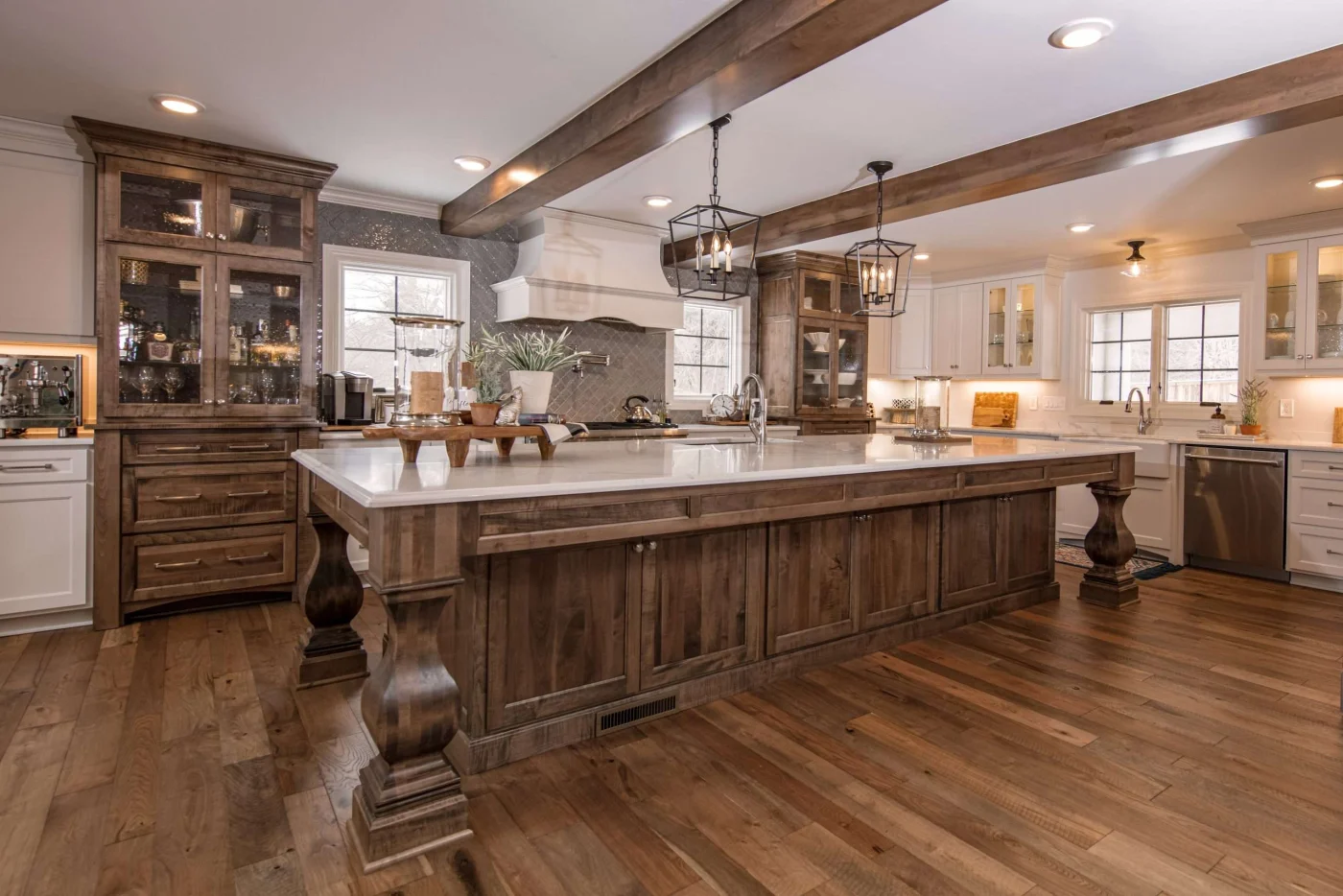
In a kitchen, common allowance categories are cabinet hardware, countertops, backsplash tile, appliances and lighting fixtures. Cabinetry itself is usually selected by tier during design, so it rarely stays an allowance. In a bathroom, the categories are tile, plumbing fixtures, vanities, mirrors and accessories. In an addition, flooring, windows and exterior finishes join the list.
For each category the same core questions apply: what quantity was assumed, what is included, and when is the decision due? Our kitchen remodeling team walks through these categories during design, so the list is clear before you sign.
How Can You Tell If an Allowance Is Realistic?
No universal number makes an allowance right or wrong. What matters is whether it reflects the quality level you want.
A practical test: look at the products you are already drawn to and compare them with the placeholder. If your favorite tile is well beyond the allowance, you want to know that now, not after the contract is signed.
A second sign is a proposal that shows its assumptions. When square footage, product type and inclusions are visible, you can judge the allowance on its merits. If they are missing, ask for them.
We would rather have an honest conversation about expectations early than watch a homeowner get surprised during selections.
How Does Payment Connect to Allowances?
An allowance is a budget line, not a bill. We do not order materials until payment is in place, and draws follow completed work. So when you choose a product above its allowance, the difference is on paper before the order is placed, and nothing is purchased on an assumption.
What Should You Ask Before Signing?
Before you commit, ask whoever is writing your proposal:
- Which items are allowances, and what is the amount for each?
- What exactly does each allowance cover?
- When are selections due?
- How is any difference above or below the allowance handled?
- How are changes requested, priced and approved?
- How will you be told if a product is delayed or unavailable?
The Ohio Attorney General’s consumer resources are also a useful general reference when you review any home-improvement agreement.
What Does a Good Allowance Conversation Sound Like?
A productive conversation is specific and unhurried. Your project lead walks through each placeholder, explains what it represents, and shows how it connects to the plans.
You should leave knowing which items are still open, who owns each decision, and when the decision is due. If any of that is vague, ask for it in writing.
Frequently Asked Questions
Is an allowance the same as a fixed price?
No. An allowance is a placeholder, and the final cost depends on what you select. Your agreement should explain how differences are handled.
Can I reduce the number of allowances in my project?
Yes. Making selections during the design phase converts allowances into defined choices.
Should I set my own contingency?
Yes, keep a reserve for unexpected conditions, and agree with your project team on how it would be used.
Ready to Plan a Remodel With Fewer Unknowns?
Our Canterbury Place Kitchen & Multi-Bathroom Renovation project shows a multi-room remodel from our portfolio.
If you want a clear picture of what is included in your project, we would be happy to walk through it with you. Reach out through our contact page or call us at (330) 523-6919 to get started.