Choosing the right countertop material is a critical step in any kitchen remodel. Two materials that homeowners often compare are quartzite and quartz. While their names sound similar, these countertops are very different in composition, performance, and long-term maintenance. At Element Design Build Remodel, we help homeowners understand these differences so they can make informed decisions that align with their lifestyle, design preferences, and budget. This guide breaks down quartzite first, then quartz, before wrapping everything together to help you choose the right countertop for your kitchen.
Breakdown of Quartzite vs Quartz
| Feature | Quartzite Countertops | Quartz Countertops |
| Overall best for | Homeowners who want natural stone beauty with high durability | Busy, low-maintenance kitchens |
| Material type | Natural stone (metamorphic rock formed from sandstone) | Engineered stone (crushed quartz + resins) |
| Porosity | Porous | Non-porous |
| Sealing required | Yes; periodic sealing required | None |
| Stain resistance | Good when sealed; can stain if unsealed or spills sit | Excellent; highly resistant to oils, wine, and sauces |
| Scratch resistance | Very high; harder than granite | Very high |
| Heat resistance | Excellent; handles hot cookware well | Moderate; trivets recommended to protect resins |
| Daily maintenance | Low–moderate; wipe spills promptly and use gentle cleaners | Very low; mild soap and water |
| Hygiene | More absorbent; sealing helps reduce bacteria | Highly hygienic; does not absorb moisture or bacteria |
| Appearance consistency | Each slab is one-of-a-kind with natural veining | Consistent colors and patterns |
| Design options | Natural marble-like veining and organic movement | Wide range, including marble-look styles |
| Typical cost band | Mid-to-high; rare slabs can be premium-priced | Mid-range to high-end depending on brand and style |
| Long-term care cost | Higher due to sealing and stone care | Lower (no sealing or refinishing) |
| Best homeowner fit | Natural-stone lovers, avid cooks, luxury-focused kitchens | Families, entertainers, low-maintenance preference |
Understanding Quartzite
Quartzite is a natural stone formed when sandstone is subjected to intense heat and pressure deep within the earth. This metamorphic process transforms sandstone into an extremely hard, dense material composed primarily of quartz minerals. The result is a stone that offers the organic beauty of natural marble with significantly greater durability.
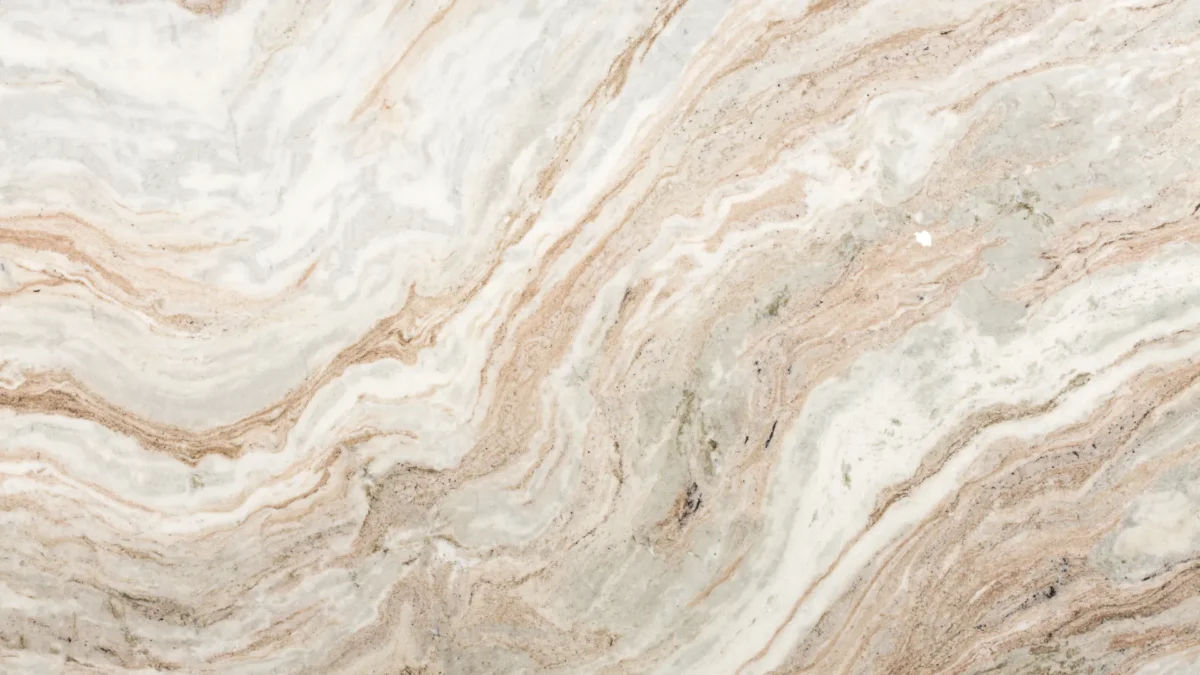
One of the main reasons homeowners choose quartzite is its natural, one-of-a-kind appearance. Each slab features unique veining, color variations, and mineral patterns that cannot be replicated. Many quartzite slabs resemble marble, offering elegant movement and light tones without marble’s softness.
Durability and Performance of Quartzite
Quartzite is known for its exceptional hardness. In fact, it is harder than granite and highly resistant to scratches and chips when properly installed. This makes it an excellent option for kitchens that see frequent use, including heavy cooking and entertaining.
However, despite its durability, quartzite is still a natural stone and requires some care. It is porous, meaning it must be sealed during installation and resealed periodically to prevent staining from spills such as wine, oil, or acidic foods. With proper sealing and routine care, quartzite countertops can last for decades without losing their beauty or performance.
Maintenance Requirements for Quartzite
Maintaining quartzite countertops involves a bit more attention than engineered surfaces. Regular sealing is essential to protect the stone from moisture and stains. Daily cleaning should be done with mild soap and water, avoiding harsh chemicals that can degrade the sealant over time.
While this maintenance may feel like a drawback to some homeowners, others appreciate the authenticity and longevity of natural stone. At Element, we often recommend quartzite to homeowners who want a premium, natural material and are comfortable with periodic upkeep.
Cost Considerations for Quartzite Countertops
Quartzite typically falls into the higher price range of countertop materials. The cost varies depending on the rarity of the slab, thickness, and complexity of installation. Because quartzite is very hard, fabrication and cutting can also be more labor-intensive, which may increase installation costs.
That said, many homeowners view quartzite as a long-term investment. Its durability, natural beauty, and high-end appeal can significantly enhance the value of a remodeled kitchen.
Understanding Quartz
Quartz countertops are engineered surfaces made from crushed natural quartz combined with resins and pigments. This manufacturing process allows for consistent color, pattern, and performance across slabs, making quartz a popular choice in modern kitchen designs.
Unlike quartzite, quartz is non-porous by design. The resin binders create a surface that resists stains, bacteria, and moisture without requiring sealing. This makes quartz particularly appealing to homeowners who want a low-maintenance countertop solution.
Pros of Quartz Kitchen Countertops
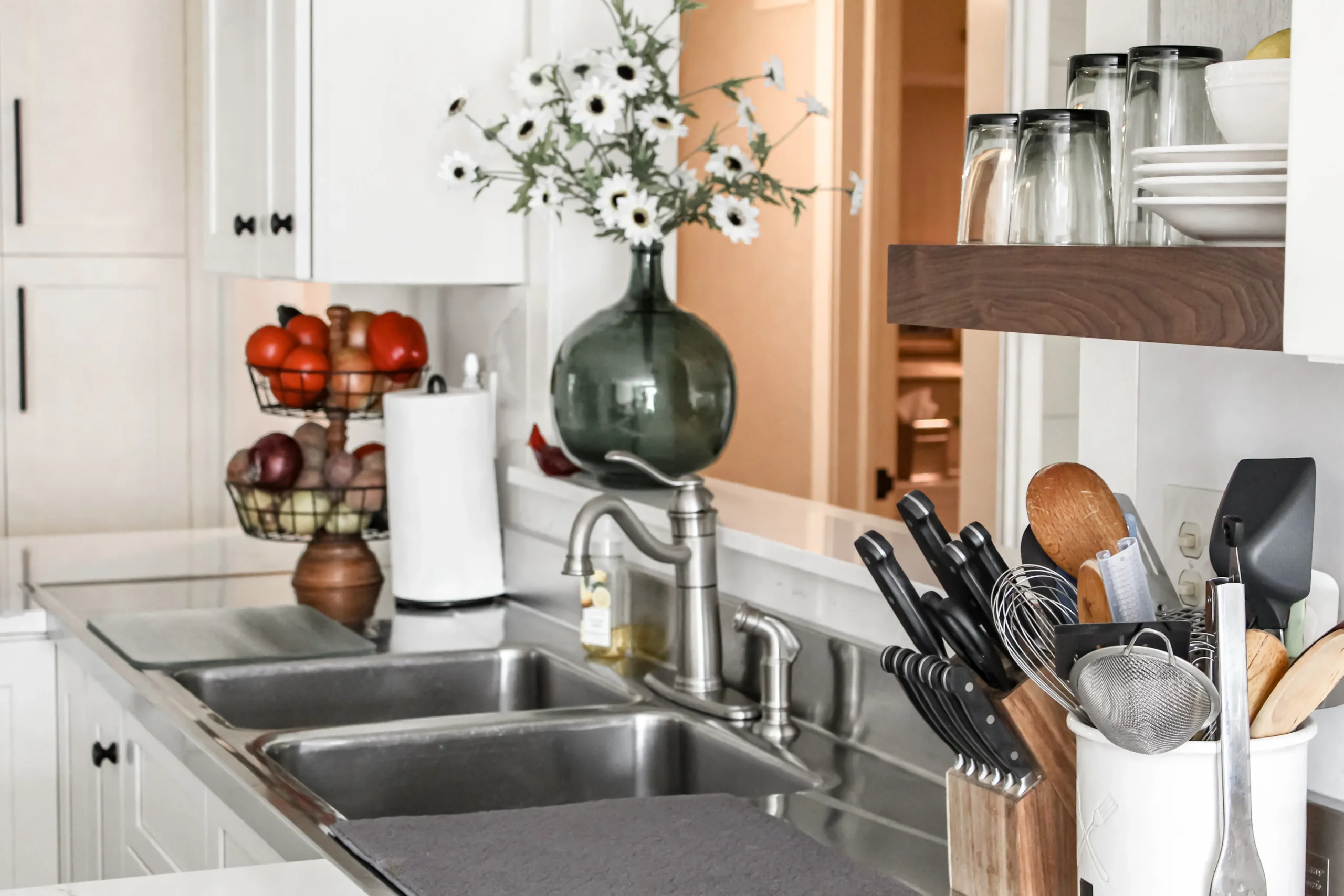
One of the biggest advantages of quartz is its ease of maintenance. Because it is non-porous, quartz does not need sealing and is highly resistant to stains from common kitchen spills like coffee, wine, and oils. Daily cleaning is simple and requires only mild soap and water.
Quartz also offers exceptional design consistency. Since it is engineered, homeowners can select from a wide range of colors and patterns, including styles that mimic marble or natural stone. This consistency makes quartz ideal for kitchens where a uniform look is important, especially in open-concept spaces.
Cons of Quartz Kitchen Countertops
While quartz offers many advantages, it does have limitations. One drawback is its sensitivity to heat. Quartz countertops can be damaged by excessive heat, so placing hot pots or pans directly on the surface is not recommended. Heat damage can cause discoloration or cracking in the resin.
Another consideration is that quartz lacks the uniqueness of natural stone. Because it is manufactured, patterns repeat more predictably. While many homeowners appreciate this uniformity, others prefer the organic variation found in quartzite slabs.
Quartz is also typically priced in the mid-to-high range, depending on the brand and design selected. While it may be less expensive than rare quartzite, it is still an investment compared to laminate or solid surface countertops.
Which Countertop Is Right for Your Kitchen Remodel?
Choosing between quartzite and quartz ultimately depends on how you use your kitchen and what you value most in a countertop. If you are drawn to natural stone, appreciate unique veining, and are willing to maintain the surface properly, quartzite offers timeless elegance and durability.
If you prefer a countertop that requires minimal upkeep, offers consistent design options, and performs reliably in everyday use, quartz may be the better fit. Its engineered construction makes it especially appealing for modern kitchens and active households.
Our team at Element Design Build Remodel works closely with homeowners to evaluate these factors during the design phase. We consider how your kitchen functions, your aesthetic goals, and your long-term plans to recommend materials that truly fit your home.
Get Started Today
If you’re planning a kitchen remodel and need expert guidance selecting countertops, cabinetry, layouts, and finishes, Element Design Build Remodel is here to help. Our design-build approach ensures every detail works together seamlessly, creating a kitchen that is both beautiful and functional for years to come.