Adding onto a home is one of the most effective ways for homeowners to gain additional living space without moving. Whether the goal is a larger kitchen, a new family room, a second-story addition, or a primary suite, home additions allow homeowners to customize their house to better fit their lifestyle. However, expanding a home is not as simple as building extra square footage. Home additions must meet specific structural and building code requirements to ensure the new space is safe, stable, and properly integrated with the existing structure.
In Portage County, Ohio, residential additions must comply with local building codes and structural standards before construction can begin. These requirements are designed to protect homeowners by ensuring additions are built safely and can withstand long-term use, weather conditions, and structural loads. Understanding these requirements is an important step for homeowners planning an addition. Working with a professional design-build contractor like Element Design and Build helps ensure the project meets all structural standards from the start.
Why Structural Requirements Matter for Home Additions
Every home is designed to carry specific loads through its foundation, framing, and support systems. When additional space is built onto a home, the new structure must work together with the existing structure without causing stress, shifting, or structural failure.
Structural requirements ensure that foundations are strong enough to support the new space, walls and framing can carry weight safely, and roof systems are properly designed to handle snow loads and weather conditions common in Ohio. These requirements also ensure that the addition ties into the existing home in a way that maintains stability and prevents issues such as settling, cracking, or water infiltration.
Without proper structural planning, an addition can create long-term problems that may require costly repairs. Building codes and inspections help prevent these issues by ensuring that the design and construction meet established engineering standards.
Building Codes That Apply in Portage County
Home additions in Portage County must follow the Ohio Residential Code, which establishes statewide standards for residential construction. This code outlines requirements for structural components such as foundations, load-bearing walls, floor systems, roof framing, and structural connections.
The Portage County Building Department or the local municipality reviews construction plans before issuing permits for an addition. The review process ensures that the proposed design meets structural requirements and complies with zoning regulations.
Once construction begins, inspections are performed at different stages of the project. These inspections verify that the structural components are installed correctly and that the work follows the approved plans.
Foundation Requirements for Home Additions
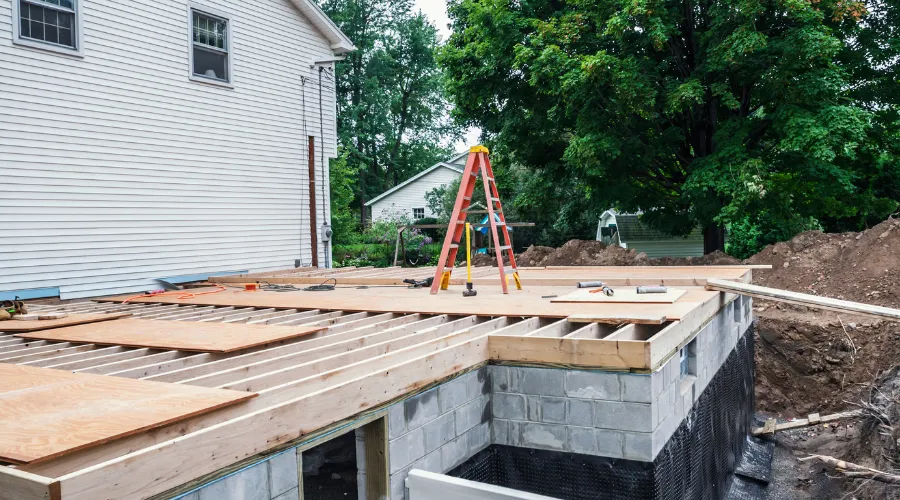
One of the most important structural elements of a home addition is the foundation. The foundation supports the entire structure and must be designed to handle the weight of the new space.
In Northeast Ohio, foundations must extend below the frost line to prevent shifting caused by freezing and thawing cycles during the winter. In most areas of Portage County, this means foundations must typically extend at least 36 inches below grade.
The type of foundation used for an addition depends on the design of the home and the purpose of the new space. Common foundation types include poured concrete foundations, concrete block foundations, and slab-on-grade foundations.
The foundation must also properly connect to the existing home’s foundation to ensure stability. Engineers or qualified contractors evaluate soil conditions, structural loads, and connection points to determine the appropriate design.
Load-Bearing Walls and Structural Framing
Another critical structural requirement for home additions involves framing and load-bearing walls. These elements support the weight of the roof, floors, and any upper levels.
When building an addition, the framing system must be designed to distribute structural loads safely through beams, joists, and studs. Load-bearing walls may be required depending on the size and layout of the new space.
If the addition connects to an existing structure, the framing must integrate with the home’s current framing system without weakening it. This is particularly important when removing exterior walls to create open connections between the original home and the addition.
Proper structural framing ensures the addition remains stable over time and prevents issues such as sagging floors or cracked drywall.
Floor System Requirements
For additions that include raised floors or second stories, the floor system must be designed to support both live loads and dead loads.
Live loads refer to the weight of people, furniture, and everyday activity within the space. Dead loads include the weight of structural materials such as framing, flooring, and drywall.
Floor systems typically consist of engineered wood joists or dimensional lumber spaced at specific intervals to support these loads. Building codes dictate minimum requirements for joist size, spacing, and span lengths.
Proper floor framing is essential for preventing bounce, sagging, or structural weakness in the finished addition.
Roof Structure and Snow Load Requirements
Roof structures must also meet structural standards designed to withstand local weather conditions. In Ohio, roofs must be designed to handle snow loads during winter months.
This means roof framing must be strong enough to support accumulated snow while maintaining structural integrity. Rafters, trusses, and roof beams must be sized and spaced correctly according to building code requirements.
When adding onto an existing home, the roof design must also integrate with the current roofline. This often requires careful planning to ensure proper drainage, flashing, and structural support.
A well-designed roof system protects the addition from weather damage and helps maintain the structural stability of the home.
Structural Connections Between the Existing Home and the Addition
One of the most complex aspects of a home addition is connecting the new structure to the existing home. These connections must be carefully designed so the addition becomes a stable part of the house rather than a separate structure attached to it.
Structural connections typically involve tying new framing into existing framing, connecting foundations, and integrating roof structures. Proper fastening methods, support beams, and load transfers are required to ensure stability.
In many cases, engineers or experienced contractors evaluate the existing structure to determine how the new addition will affect load distribution. This step helps prevent structural issues that could occur if the new addition places unexpected stress on the original home.
Inspections During Construction
Once permits are approved and construction begins, the building department performs inspections at several stages of the project. These inspections help verify that the structural components are installed correctly.
Typical inspections for a home addition include foundation inspections, framing inspections, and final inspections. During the framing inspection, inspectors check structural elements such as beams, joists, load-bearing walls, and roof framing.
These inspections ensure the addition meets building codes and that the work follows the approved construction plans. Passing inspections is required before moving forward to the next phase of construction.
Why Professional Design and Planning Are Important
Because home additions involve complex structural systems, professional planning is essential. Every addition must account for the existing home’s structure, local building codes, and engineering requirements.
Working with a design-build contractor helps streamline this process by combining design, engineering, and construction services into one coordinated project.
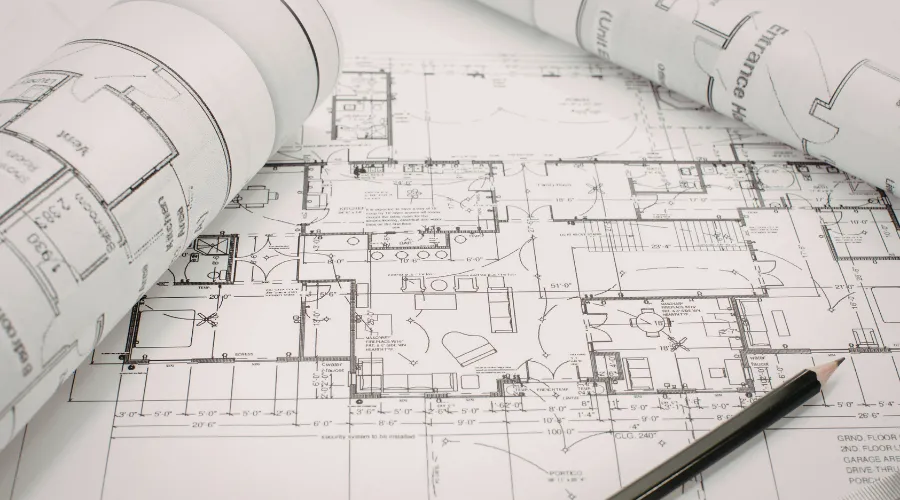
Design-build teams evaluate the existing structure, create detailed plans, and ensure the addition meets all structural and code requirements before construction begins.
This approach helps prevent costly mistakes and ensures the addition integrates seamlessly with the original home.
How Element Design and Build Helps With Structural Planning
Element Design and Build works with homeowners throughout Portage County and Northeast Ohio to design and construct high-quality home additions that meet local building codes and structural standards.
The company follows a design-build approach that focuses on careful planning and structural evaluation before construction begins. During the design phase, the team assesses the existing structure, develops architectural plans, and determines the appropriate structural components required for the addition.
Element Design and Build also coordinates with engineers when necessary and manages the permit approval process with local building departments. This ensures that the addition meets all Portage County structural requirements and passes inspections during construction.
By managing both the design and construction process, the company helps homeowners avoid delays and ensures that the finished addition is safe, durable, and built to last.
Planning a Home Addition in Portage County
Working with an experienced contractor like Element Design and Build helps homeowners navigate these requirements and ensures that every structural detail is handled correctly.
Unlike standard contractors who make you pull your own permits or hire a separate architect, Element Design Build Remodel handles the architectural drawings, engineering requirements, and county paperwork entirely in-house. Contact us today to get started!