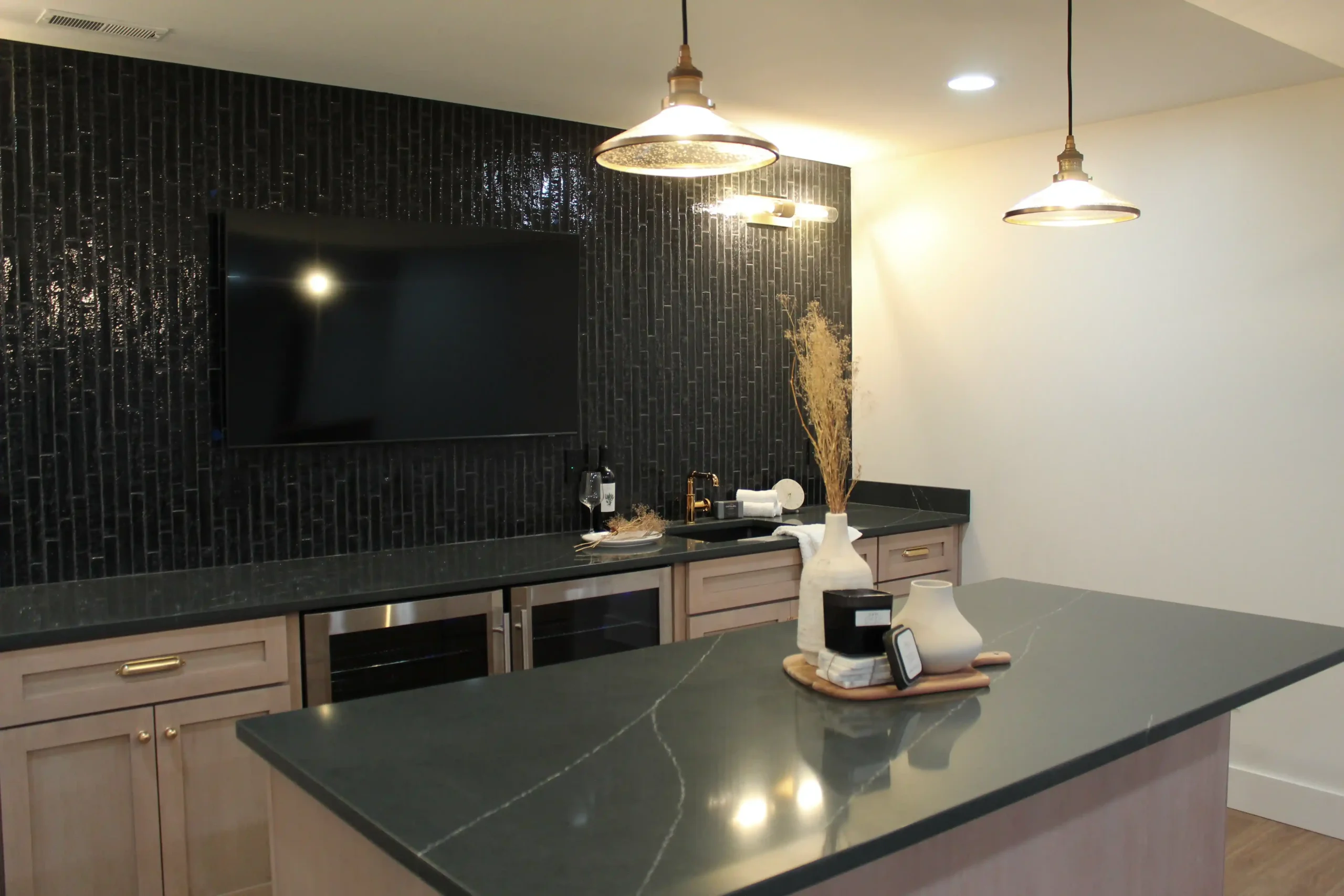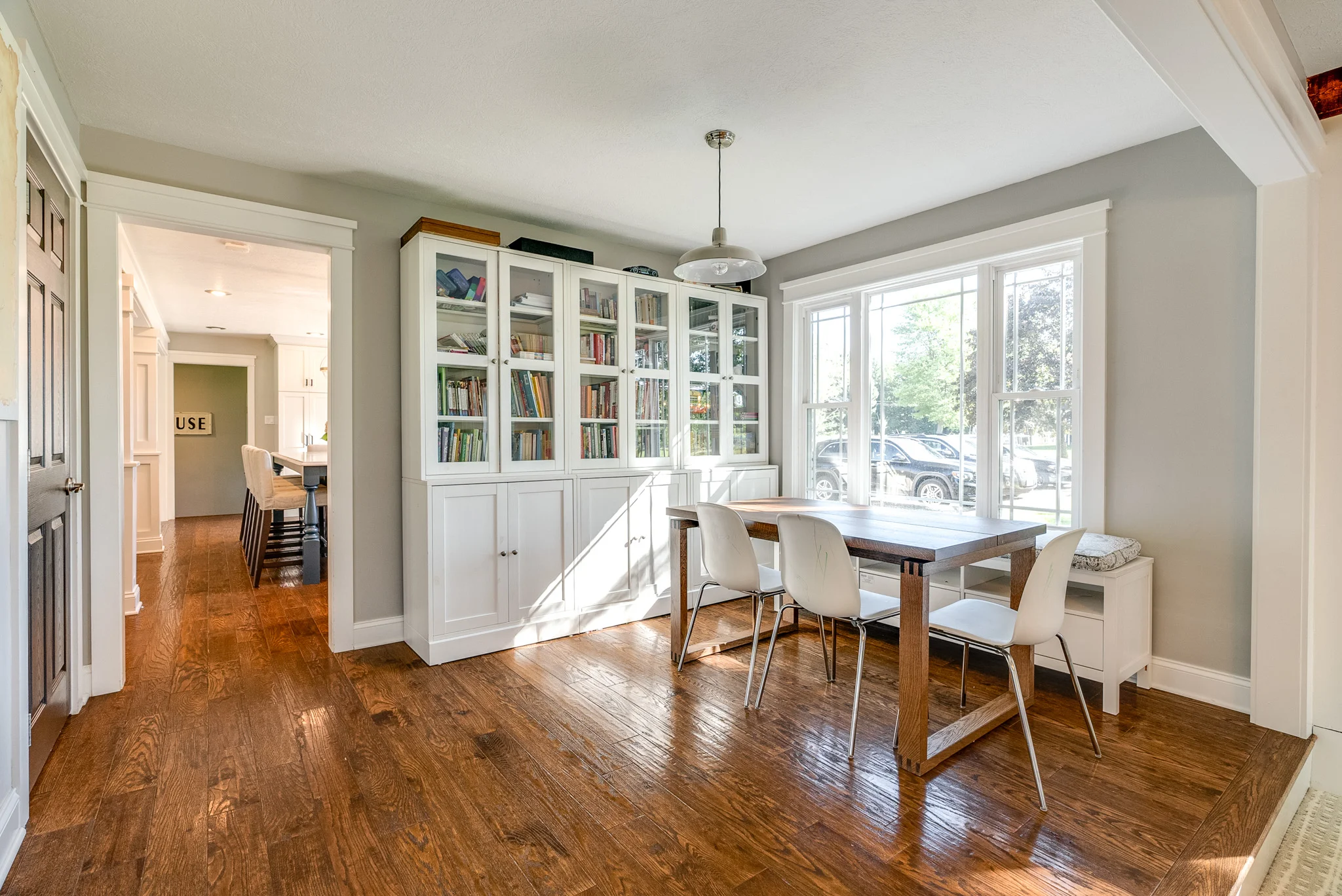
Kitchen remodeling is one of the most popular home improvement projects for homeowners in Portage County, Ohio. Updating a kitchen can improve daily functionality, increase home value, and modernize one of the most frequently used spaces in the home. While design decisions like cabinets, countertops, and appliances often get the most attention, there are important permitting and building code requirements that homeowners must understand before starting construction.
In Portage County, many kitchen remodeling projects require permits, especially when the renovation involves plumbing, electrical work, or structural changes. Understanding when permits are required and what rules apply to cabinets, plumbing systems, and electrical wiring can help homeowners avoid delays, inspections issues, or costly corrections later. Working with an experienced contractor such as Element Design and Build helps ensure kitchen remodeling projects follow local regulations and pass inspections throughout the process.
Why Kitchen Remodeling Permits Matter
Building permits exist to ensure that construction projects meet safety standards and local building codes. When a permit is issued, the project plans are reviewed by the local building department and inspections are scheduled at different stages of the renovation.
These inspections verify that electrical systems are safe, plumbing connections are properly installed, and structural elements of the home remain stable. Permits also create an official record that the work was completed legally and inspected by the proper authorities.
For homeowners, this matters for both safety and long-term property value. If remodeling work is done without permits and later discovered during a home sale, buyers or lenders may request documentation or require inspections before completing the transaction. In some cases, homeowners may even need to remove and redo work that was not permitted.
Because of these risks, obtaining the proper permits before beginning a kitchen remodel is an important step in the renovation process.
When a Permit Is Required for Kitchen Remodeling
In Portage County, permits are typically required when a kitchen remodel involves plumbing changes, electrical upgrades, or structural modifications. If the project goes beyond simple cosmetic updates, the building department will usually require permits before construction begins.
Common kitchen remodeling projects that require permits include relocating sinks, dishwashers, or refrigerators with water lines. Installing new electrical circuits, outlets, or lighting fixtures also requires electrical permits. Structural changes such as removing walls, enlarging openings, or modifying load-bearing structures require building permits and inspections.
Major kitchen renovations often involve multiple permits because plumbing, electrical, and structural systems are all affected during the remodel.
Kitchen Cabinet Installation and Permit Requirements
Cabinet installation is one of the most common parts of a kitchen remodel. In many cases, replacing cabinets alone does not require a permit if the project is purely cosmetic and does not involve structural changes.
For example, removing old cabinets and installing new cabinets in the same layout typically does not require approval from the building department. However, permits may be required if cabinet installation involves modifying walls, changing the layout of the kitchen, or relocating appliances.
Structural modifications such as removing a wall to create an open kitchen layout require a permit because the wall may be load-bearing. In these situations, additional framing or support beams may be required to maintain structural integrity.
Because cabinet installation is often part of a larger remodel, it is important to evaluate the entire scope of work before determining whether permits are necessary.
Plumbing Rules for Kitchen Remodeling
Plumbing changes are one of the most common reasons a kitchen remodeling project requires permits. Kitchens include multiple water connections such as sinks, dishwashers, refrigerators with ice makers, and sometimes pot fillers or additional prep sinks.
If the remodel involves relocating the kitchen sink, adding new water lines, or modifying drainage systems, a plumbing permit is typically required. The plumbing work must follow code requirements for pipe sizing, venting systems, and drainage slopes.
Proper venting is particularly important in kitchen plumbing systems because it allows wastewater to drain properly without creating pressure issues inside the pipes. Plumbing codes also regulate the materials used for water supply lines and drainage pipes.
Inspections are usually required after plumbing rough-in work is completed and again when the project is finished to ensure everything meets code standards.
Electrical Requirements for Kitchen Renovations
Electrical systems in kitchens must follow strict safety rules because kitchens contain high-power appliances and multiple electrical circuits. When a kitchen remodel includes electrical upgrades, permits are typically required.
Modern kitchen electrical codes require dedicated circuits for certain appliances such as refrigerators, microwaves, and dishwashers. Countertop outlets must also follow spacing rules to ensure homeowners can safely use small appliances without relying on extension cords.
Ground Fault Circuit Interrupter (GFCI) outlets are required near water sources such as sinks to reduce the risk of electrical shock. In many cases, Arc Fault Circuit Interrupter (AFCI) protection is also required for kitchen circuits.
Lighting installations, under-cabinet lighting, and new wiring for appliances must be installed according to code and inspected during construction.
Because electrical systems can pose serious safety risks if installed incorrectly, permits and inspections are an important part of kitchen remodeling projects.
Structural Changes in Kitchen Remodels
Many modern kitchen renovations involve opening up floor plans by removing walls or enlarging doorways. While these changes can dramatically improve the look and functionality of a home, they also involve structural considerations.
If a wall being removed is load-bearing, additional structural support such as beams or posts may be required to support the weight of the home. Structural modifications must be reviewed during the permit process and inspected during construction.
Building inspectors verify that the proper framing and structural supports are installed according to the approved plans. This ensures that the home remains structurally sound after the renovation is completed.
Because structural changes affect the safety of the entire house, permits are always required for this type of work.
The Permit Process for Kitchen Remodeling
The permit process for a kitchen remodel usually begins with submitting construction plans to the appropriate building department. These plans outline the scope of the project, including layout changes, plumbing modifications, electrical upgrades, and structural work.
Once the plans are reviewed and approved, the building department issues the necessary permits so construction can begin. During the project, inspections are scheduled at specific stages such as plumbing rough-in, electrical installation, and framing work.
After the project is completed and passes the final inspection, the permit is officially closed.
While the process may seem complicated, working with an experienced contractor helps ensure that permits are obtained correctly and inspections are scheduled at the right times.
Risks of Remodeling Without Permits
Skipping permits may seem like a way to speed up a kitchen renovation, but it can create serious problems. Unpermitted work can lead to stop-work orders, fines, and required corrections if inspectors discover the project during construction.
In some cases, homeowners may be required to remove finished walls or cabinetry so inspectors can verify that plumbing and electrical systems were installed correctly.
Unpermitted remodeling can also cause complications when selling a home. Buyers may request documentation showing that renovations were permitted and inspected. Without that documentation, a sale may be delayed or renegotiated.
Because of these risks, obtaining proper permits is always the safer option.
How Element Design and Build Helps With Kitchen Remodel Permits
Element Design and Build helps homeowners throughout Portage County manage the entire kitchen remodeling process, including permits and inspections.
During the planning phase, the team evaluates the scope of the project to determine which permits are required. They prepare detailed design plans and submit them to the appropriate building department for approval.
Element Design and Build also coordinates with inspectors during construction to ensure the project passes each inspection stage. This approach helps prevent delays and ensures the kitchen renovation meets all local building codes.
By managing permits, inspections, and construction in one coordinated process, the company helps homeowners focus on design choices while professionals handle the technical requirements.
Planning a Kitchen Remodel the Right Way
Working with a qualified contractor ensures that the project follows local regulations and passes inspections throughout construction.
Unlike standard contractors who make you pull your own permits or hire a separate architect, Element Design Build Remodel handles the architectural drawings, engineering requirements, and county paperwork entirely in-house. Contact Element today to get started!