The kitchen has evolved from a purely functional space into the heart of the home. Today’s homeowners use their kitchens for cooking, entertaining, working, helping children with homework, and gathering with family and friends. As a result, one of the biggest decisions homeowners face during a kitchen remodel is whether to choose an open-concept or closed kitchen design.
Both layouts offer unique benefits, and the right choice depends on your lifestyle, home architecture, and personal preferences. While open-concept kitchens have become increasingly popular over the last two decades, closed kitchens continue to appeal to homeowners who value privacy, organization, and separation between living spaces.
At Element Design Build Remodel, homeowners throughout Ohio receive expert guidance when deciding which kitchen layout best fits their home and lifestyle. Understanding the advantages and challenges of each design can help you make a confident remodeling decision.
What Is an Open-Concept Kitchen?
An open-concept kitchen removes walls that traditionally separated the kitchen from nearby living spaces such as dining rooms, family rooms, or great rooms. Instead of distinct rooms, the kitchen becomes part of a larger shared living area.
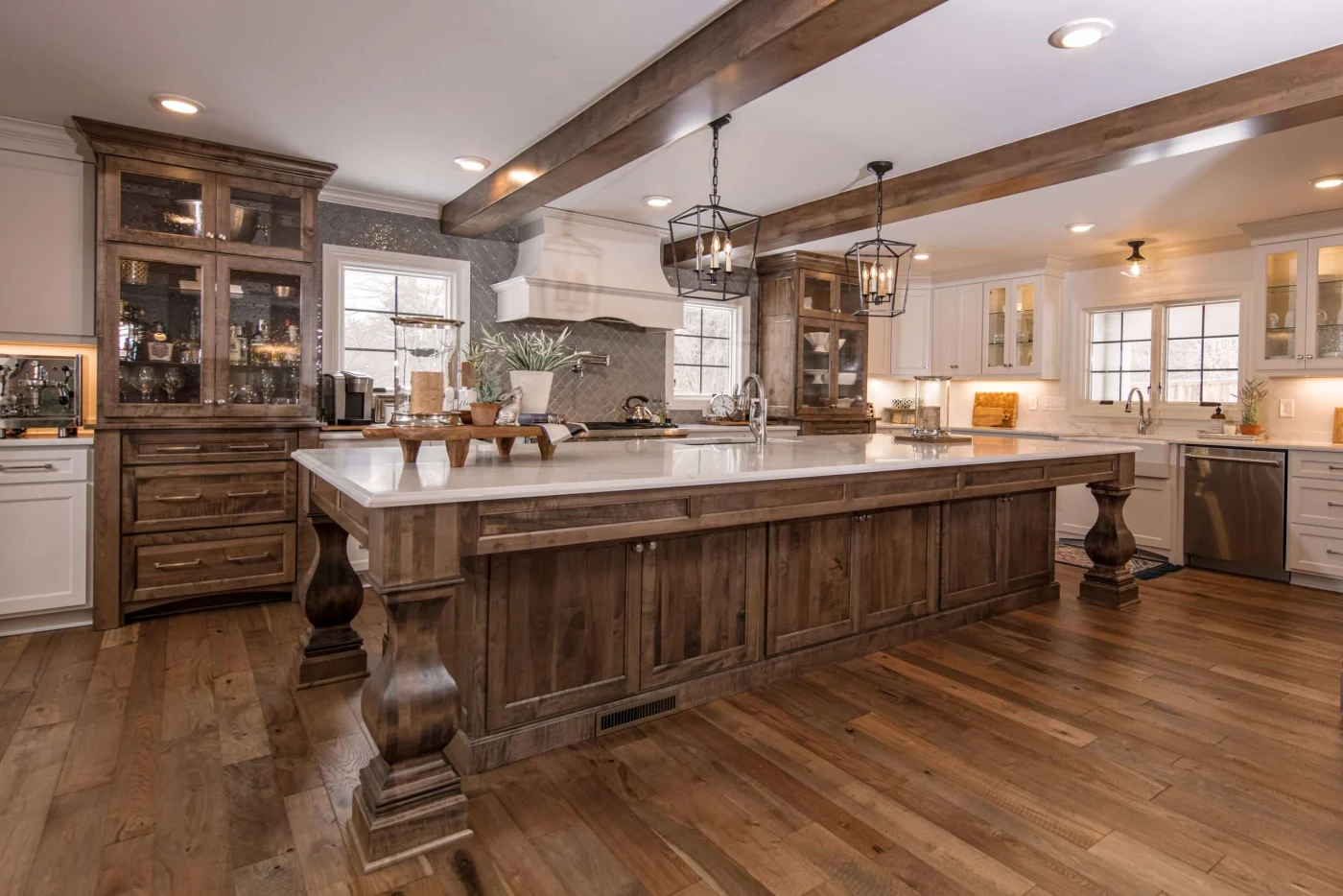
This layout creates a seamless flow between spaces and allows family members and guests to interact more easily. Open-concept kitchens often feature large islands, expansive sightlines, and increased natural light.
Many newer homes in Ohio are built with open floor plans, and older homes are frequently remodeled to create this type of layout.
What Is a Closed Kitchen?
A closed kitchen is separated from other areas of the home by walls, doorways, or partitions. The kitchen functions as its own dedicated room rather than being integrated into surrounding living spaces.
Traditional homes often feature closed kitchens because they were designed when cooking was viewed as a task separate from entertaining and family activities.
While some homeowners view closed kitchens as outdated, they continue to offer practical advantages that make them appealing for many families.
Benefits of an Open-Concept Kitchen
Open-concept kitchens remain one of the most requested features in modern remodeling projects. The design creates a spacious feel and supports today’s more casual lifestyle.
Better Entertainment and Social Interaction
One of the biggest advantages of an open-concept kitchen is the ability to interact with guests while preparing meals.
Instead of being isolated from family and visitors, homeowners can remain part of conversations and activities happening in adjacent spaces. This creates a more inclusive environment when hosting gatherings, holiday celebrations, or everyday family meals.
For households that enjoy entertaining, an open layout often feels more inviting and functional.
Increased Natural Light
Removing walls allows natural light to travel throughout the home more freely.
Windows located in living rooms or dining spaces can help brighten the kitchen, making the entire area feel larger and more welcoming. Increased natural light can also reduce the need for artificial lighting during the day.
This benefit is especially valuable in Ohio homes that experience long winter seasons when maximizing available daylight becomes important.
Improved Sightlines
Open-concept kitchens provide clear visibility into nearby living spaces.
Parents can monitor children while cooking, and homeowners can maintain visual connections throughout the home. This improved visibility often makes daily routines more convenient and comfortable.
The ability to see across multiple spaces also creates a stronger sense of openness and connectivity.
Greater Flexibility
Open layouts often provide more flexibility for furniture placement and future design changes.
Without multiple walls dividing spaces, homeowners can adapt rooms as their needs evolve. Dining areas, living spaces, and kitchens can function together more seamlessly while accommodating different lifestyles and family dynamics.
Enhanced Home Value
Many homebuyers actively seek open-concept floor plans when shopping for homes.
Because of their popularity, open kitchens can increase market appeal and potentially contribute to higher resale value. While buyer preferences vary, open layouts continue to attract many prospective homeowners.
Drawbacks of an Open-Concept Kitchen
Although open floor plans offer many benefits, they are not ideal for every family.
Less Privacy
With an open kitchen, everything is visible.
Dirty dishes, cooking messes, and countertop clutter can easily be seen from living and dining areas. Homeowners who prefer to keep meal preparation separate from entertaining may find this challenging.
The lack of separation can also make it difficult to enjoy quiet activities while others are cooking or socializing nearby.
More Noise
Open layouts allow sound to travel freely throughout the home.
Kitchen appliances, conversations, cooking activities, and television noise can overlap and create a louder environment. Families who value quiet spaces may find an open floor plan less appealing.
Fewer Walls for Storage
Removing walls often reduces opportunities for cabinetry, shelving, and storage.
While kitchen islands and creative cabinetry solutions can help compensate, some homeowners discover they have less wall space available for upper cabinets and pantry storage.
Proper planning becomes especially important when designing an open-concept kitchen.
Benefits of a Closed Kitchen
While open layouts receive much of the attention, closed kitchens continue to offer practical advantages that many homeowners appreciate.
Greater Privacy
A closed kitchen allows meal preparation and cleanup to remain out of sight.
This separation can be particularly helpful during gatherings when homeowners want guests to focus on entertaining rather than kitchen activities. It also creates a more organized appearance throughout the home.
For families who spend significant time cooking, the ability to close off the workspace can be highly beneficial.
Better Noise Control
Walls naturally help contain noise.
Cooking sounds, appliance operation, and meal preparation activities stay largely within the kitchen rather than spreading throughout the home. Likewise, noise from televisions, conversations, and other activities remains separated from the cooking area.
This distinction often creates a calmer and more peaceful environment.
More Storage Opportunities
Closed kitchens typically offer more wall space for cabinetry and storage.
Additional upper cabinets, pantry units, and built-in features can increase storage capacity without requiring a larger footprint. Homeowners who prioritize organization often appreciate the extra storage options that closed kitchens provide.
Defined Spaces
Many homeowners enjoy having distinct rooms that serve specific purposes.
A closed kitchen creates clear boundaries between cooking, dining, working, and relaxing areas. This separation can make the home feel more organized and structured.
Traditional homes often benefit from maintaining these defined spaces rather than removing walls that were originally part of the home’s design.
Drawbacks of a Closed Kitchen
Closed kitchens are not without limitations.
Reduced Social Interaction
The biggest drawback is the separation from other living spaces.
Homeowners may feel disconnected from family members or guests while preparing meals. This can make entertaining more difficult and reduce opportunities for interaction during daily activities.
Limited Natural Light
Because walls block light transmission, closed kitchens may feel darker than open layouts.
Additional lighting upgrades may be necessary to create a bright and welcoming atmosphere.
Smaller Feel
Even when the square footage is identical, a closed kitchen often feels smaller because visual boundaries limit sightlines into adjacent rooms.
Some homeowners prefer the cozy feel, while others may find it restrictive.
Factors Ohio Homeowners Should Consider
When deciding between an open and closed kitchen, several factors should influence your decision.
The age and architecture of your home are important considerations. Some older Ohio homes were designed around compartmentalized rooms and may require significant structural modifications to create an open floor plan.
Your family’s lifestyle should also play a major role. If you frequently entertain or enjoy spending time together while cooking, an open-concept kitchen may be the better fit. If you prefer privacy, organization, and separation between spaces, a closed kitchen may offer greater satisfaction.
Storage needs, budget, structural requirements, and long-term plans for the home should also be evaluated before making a final decision.
Let Element Help You Find the Perfect Kitchen Layout
Choosing between an open-concept and closed kitchen is one of the most important decisions you’ll make during a kitchen remodel. The right choice depends on your home’s structure, your family’s lifestyle, and how you use the space every day.
At Element Design Build Remodel, our experienced team works closely with Ohio homeowners to evaluate their needs, explore design possibilities, and create kitchens that support both function and style. Whether you’re envisioning a spacious open-concept layout or a thoughtfully designed closed kitchen, Element can guide you through every step of the remodeling process to create a space you’ll enjoy for years to come. Schedule your free consultation today!