Historic homes continue to be some of the most valuable and desirable properties in Hudson, Ohio. While newer developments may offer larger neighborhoods and more modern layouts, many buyers are still drawn to the architectural character, craftsmanship, and long-term value found in Hudson’s historic districts.
In many cases, homes located in historic neighborhoods appreciate faster and maintain stronger resale value than homes in other parts of the city. Limited inventory, walkability, preserved architecture, and high buyer demand all contribute to the strength of Hudson’s historic housing market.
For homeowners considering renovations or additions, understanding why historic homes perform so well can help guide smarter remodeling decisions. At Element Design and Build, many historic renovation projects focus not only on improving functionality, but also on protecting the architectural character and long-term value that make these homes so desirable in the first place.
Why Buyers Are Drawn to Historic Homes
Historic homes offer something many newer properties cannot replicate: character and craftsmanship.
Original millwork, detailed trim, hardwood floors, plaster walls, brick exteriors, oversized windows, and traditional architectural styles help historic homes stand apart in today’s market. Buyers often feel a stronger emotional connection to homes that have personality and authentic design details rather than generic builder-grade finishes.
In Hudson, historic neighborhoods also offer a strong sense of identity. Mature trees, walkable streets, preserved architecture, and proximity to downtown create an atmosphere that many buyers actively prioritize when choosing where to live.
As more homeowners seek homes with charm and architectural uniqueness, demand for historic properties continues to remain strong.
Limited Inventory Helps Historic Homes Hold Value
One reason Hudson’s historic homes continue outperforming many surrounding areas is simple supply and demand.
There are only so many historic homes available in the city, especially in highly desirable neighborhoods near downtown Hudson. Unlike newer subdivisions where development can continue expanding, the inventory of historic homes is naturally limited.
At the same time, many buyers relocating to Hudson specifically search for established neighborhoods with architectural character, walkability, and long-term resale potential.
That combination of limited supply and consistent buyer demand helps historic homes maintain stronger property values over time, even during slower housing markets.
Walkability Continues to Increase Buyer Demand
Walkability has become one of the most important factors influencing long-term home values.
Many buyers today want neighborhoods where they can easily access restaurants, coffee shops, parks, schools, and community events without constantly driving. Hudson’s historic district benefits from close proximity to downtown amenities, which adds significant appeal to surrounding homes.
Historic neighborhoods also tend to foster stronger community interaction because of their street layouts, local businesses, and established neighborhood feel.
As buyer preferences continue shifting toward community-focused living, homes located within walkable historic districts often continue seeing stronger appreciation rates than properties farther from town centers.
Renovated Historic Homes Often Command Premium Prices
Today’s buyers love historic charm, but they also want modern functionality.
Homes that successfully combine preserved architectural details with updated kitchens, renovated bathrooms, improved lighting, modern HVAC systems, and better layouts often command significantly higher resale prices.
This is one reason thoughtful historic renovations can provide strong long-term ROI.
A well-designed renovation allows homeowners to improve comfort and livability while still preserving the details buyers value most. Updated kitchens that maintain traditional architectural character, modernized bathrooms that fit the style of the home, and additions that blend seamlessly with the original structure often perform especially well in the market.
Many buyers are willing to pay more for homes that already balance historic charm with modern convenience.
Best Renovations for Increasing Historic Home Value
Not every renovation impacts resale value equally, especially in historic homes.
In many Hudson properties, the renovations that tend to provide the strongest long-term return include:
- Kitchen remodels that preserve the home’s architectural style while improving storage, lighting, and workflow
- Bathroom renovations that modernize functionality without feeling overly contemporary
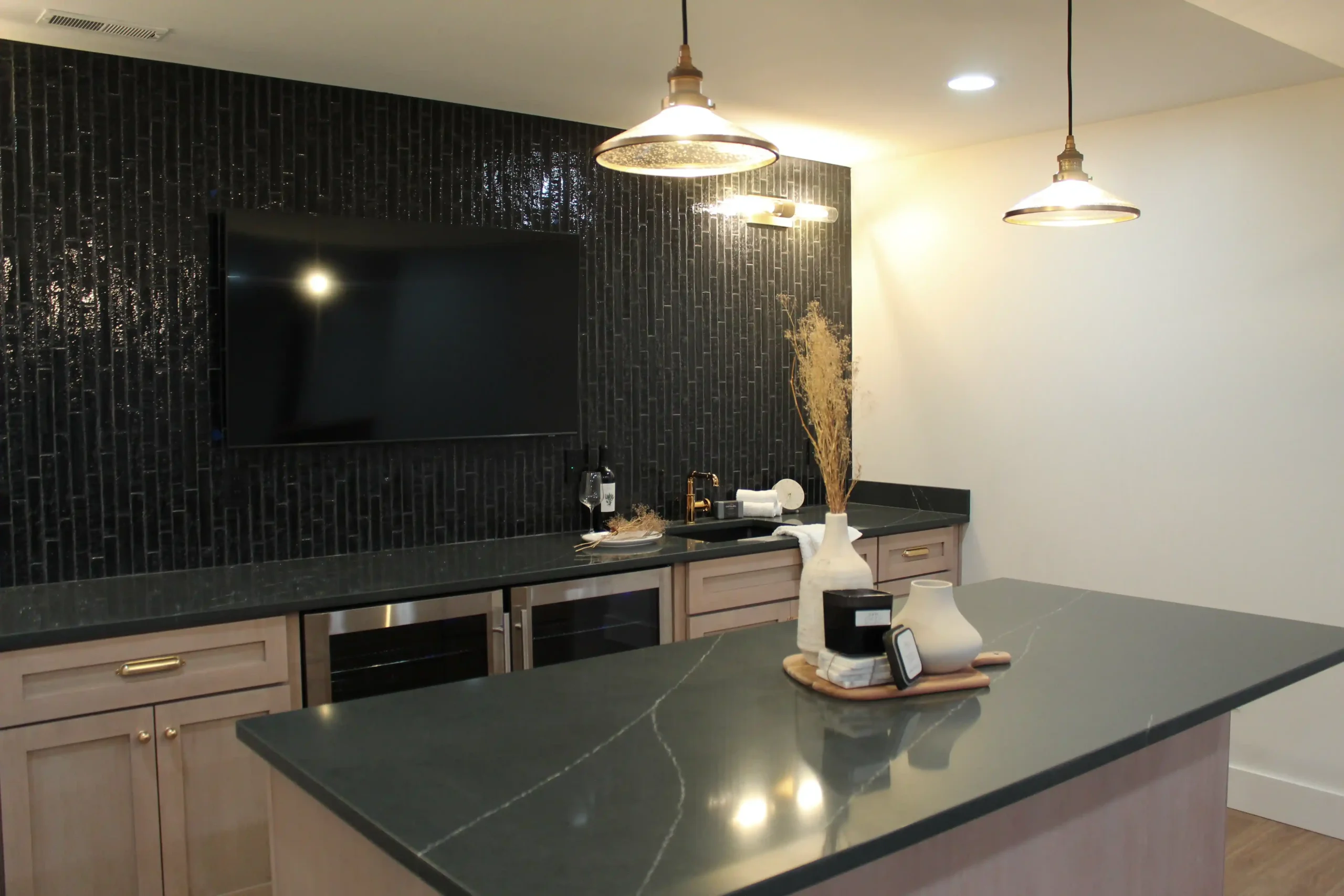
- Basement finishing projects that create additional usable living space
- Additions designed to feel original to the home rather than visually disconnected
- Window and lighting improvements that enhance natural light while maintaining historic character
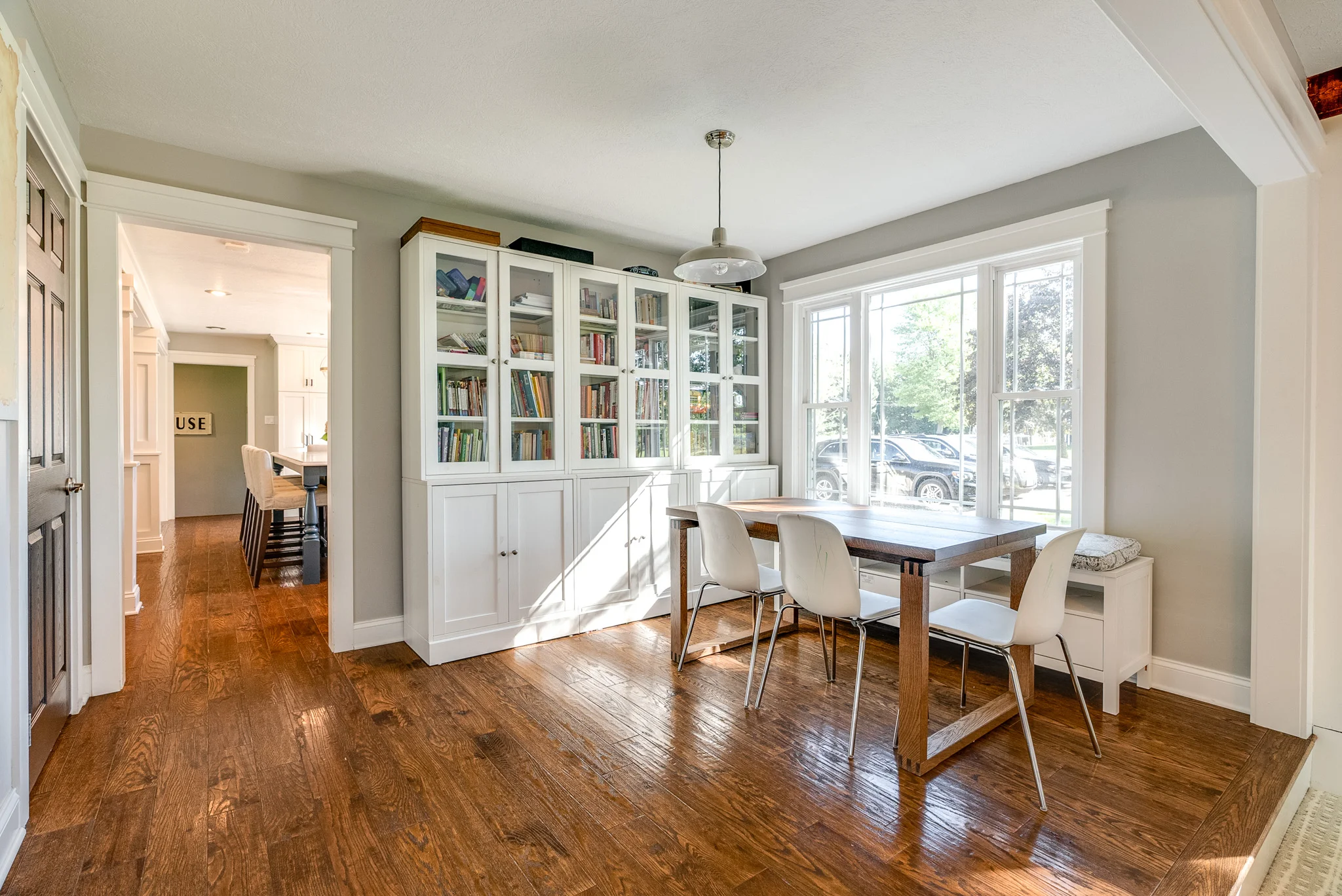
- Restoring original hardwood flooring, trim work, staircases, and built-ins whenever possible
At Element Design and Build, renovation planning often focuses on improving how homeowners actually live in the space while still protecting the architectural consistency that helps historic homes retain value over time.
Historic Renovations Require Specialized Planning
Older homes come with challenges that many newer properties do not.
Historic renovation projects often uncover aging plumbing systems, knob-and-tube wiring, uneven framing, outdated insulation, hidden moisture damage, or structural issues that require careful planning before construction begins. In some homes, preserving plaster walls, original trim profiles, or historic masonry details also requires more specialized craftsmanship than standard remodeling projects.
For homes located within historic districts, exterior renovations or additions may also require review through local Architectural or Historic Board Review processes.
At Element Design and Build, historic renovations begin with a detailed planning process that evaluates both the home’s architectural integrity and its long-term functionality. Rather than stripping away original character during remodeling, the team focuses on preserving important architectural details while integrating modern updates in ways that feel natural to the home.
Their design-build process also allows homeowners to coordinate design, budgeting, material selections, and construction planning under one team. For projects involving historic review boards, Element helps homeowners prepare AHBR submissions early in the planning phase to help avoid delays later during construction.
That proactive approach becomes especially important in older homes where unexpected structural or preservation challenges can significantly affect timelines and budgets.
Historic Neighborhoods Feel More Established and Timeless
Many buyers are drawn to historic neighborhoods because they feel more established and architecturally cohesive than newer developments.
Mature landscaping, preserved architecture, larger lots, and consistent design quality all contribute to this appeal. Historic districts also tend to feel more timeless because the character of the neighborhood changes more gradually over time.
Newer neighborhoods can sometimes experience inconsistent development trends or rapid expansion that impacts long-term resale value. Historic areas often maintain stronger neighborhood identity and visual consistency, which helps support long-term buyer demand.
For many homeowners, that stability makes historic properties feel like safer long-term investments.
Original Craftsmanship Still Holds Strong Value
Historic homes often contain craftsmanship that would be difficult or extremely expensive to recreate today.
Custom woodwork, solid-core doors, built-in cabinetry, detailed trim, handcrafted staircases, and masonry work all contribute to the unique character buyers continue valuing in older homes.
Even many luxury new-build homes attempt to replicate historic architectural styles because buyers consistently respond to timeless craftsmanship and traditional design details.
Authentic historic features create a level of personality and visual interest that many homeowners feel newer construction lacks.
As appreciation for craftsmanship continues growing, homes with preserved architectural character remain highly attractive throughout the Hudson market.
Why Historic Renovations Continue to Make Sense in Hudson
Hudson’s historic neighborhoods continue attracting strong buyer demand because they offer a unique combination of charm, walkability, community appeal, and long-term investment potential.
Limited inventory helps preserve property values, while thoughtful renovations allow homeowners to modernize their homes without sacrificing the features that make them special.
For homeowners, this creates an opportunity to invest strategically in renovations that improve both everyday living and future resale value.
Whether it is a kitchen remodel, bathroom renovation, basement finishing project, home addition, or full historic restoration, well-planned updates can help preserve the long-term value that makes historic Hudson homes so desirable.
If you are planning a renovation for a historic home in Hudson, contact Element Design and Build today to discuss how a preservation-focused design-build approach can help modernize your home while protecting the architectural character that makes it unique.