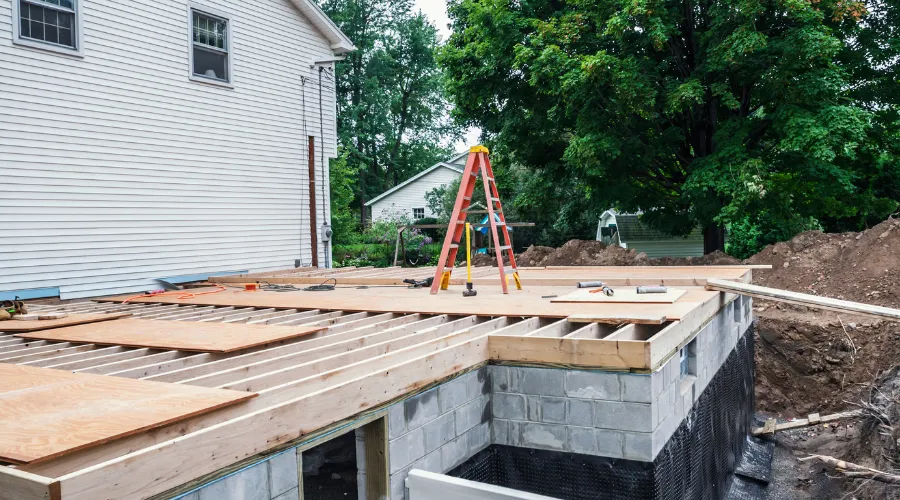
If you’re planning to add onto your home in Portage County, Ohio, one of the first questions you’ll likely face is whether you need formal architectural plans before construction can begin. The answer, for nearly every home addition, is yes, but the level of detail required and who prepares those plans depends on the scope of your project. Understanding what’s needed from the start helps you avoid costly delays and ensures your addition is built safely, legally, and exactly the way you envisioned.
What Are Architectural Plans and Why Do They Matter?
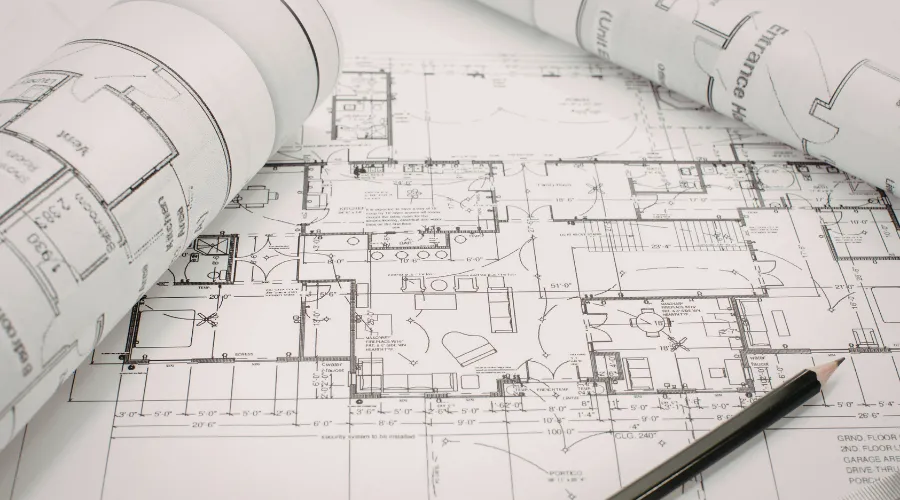
Architectural plans are detailed documents that describe exactly how a structure will be built. For a home addition, these drawings typically show the floor layout, wall locations, ceiling heights, window and door placement, framing details, roof design, and how the new addition connects to the existing home.
These plans serve two important purposes. First, they give your contractor a precise roadmap to follow during construction, reducing guesswork and the risk of costly errors. Second they give the Portage County Building Department the information it needs to confirm that your addition meets the Ohio Residential Code before issuing a building permit.
Without a complete set of approved plans, your permit application will be incomplete, and construction cannot legally begin. This is why developing thorough, accurate drawings early in the process is one of the most important steps in any home addition project.
What the Portage County Building Department Requires
Before issuing a building permit for a home addition, the Portage County Building Department requires homeowners to submit a set of construction plans for review. The purpose of this review is to verify that the proposed addition meets structural standards, zoning requirements, and building codes before a single shovel hits the ground.
At a minimum, plan submissions for a residential addition in Portage County typically need to include a site plan showing the property boundaries and the location of the addition, floor plans with accurate dimensions, foundation design details, framing and structural information, roof design, and documentation showing compliance with the 2021 International Energy Conservation Code (IECC), including insulation values and window specifications.
If your addition includes plumbing or electrical work those systems must also be represented in the plan set or submitted as separate drawings reviewed by the appropriate inspector. Incomplete or vague plan sets are one of the leading causes of permit delays, which is why it pays to get them right the first time.
Do You Always Need a Licensed Architect?
This is a question many homeowners ask, and the answer depends on the complexity of the project. In Ohio, a licensed architect is not always legally required for a residential addition — but in many cases, having one involved is either practically necessary or strongly advisable.
For straightforward single-story additions, experienced design-build contractors are often able to produce permit-ready construction drawings without engaging a separate architectural firm. These drawings are prepared by designers who understand local building codes and what plan reviewers expect to see.
In these situations, a licensed structural engineer or architect may need to stamp the drawings before the building department will accept them for review.
Keep in mind: Even when a licensed architect isn’t legally required, working with a team that has deep design experience makes a significant difference in both the quality of the plans and the speed of the permit approval process.
Structural Plans and Engineering Documentation
One area where homeowners are sometimes caught off guard is the need for structural engineering documentation. For additions that involve changes to load-bearing walls, new beam placements, or significant foundation work, the building department may require stamped drawings from a licensed structural engineer confirming that the design can safely support the loads involved.
This is particularly common for second-story additions, which place new weight on the existing home’s foundation and framing. In Northeast Ohio, foundation design must also account for the frost line — foundations for additions in Portage County generally need to extend at least three feet below grade to prevent movement caused by the freeze-thaw cycle.
How Zoning Affects Your Plans
Architectural plans don’t exist in a vacuum — they must also reflect the zoning regulations that apply to your property. In Portage County, zoning rules govern how close a structure can be to property lines (called setbacks), how much of a lot can be covered by buildings, and in some cases, the maximum height of a structure.
Your site plan must demonstrate that the proposed addition complies with all applicable setback and lot coverage requirements before the building department will approve it. If your ideal addition layout doesn’t fit within those constraints, you may need to adjust the design or apply for a variance through the Portage County Board of Zoning Appeals — a process that can add several weeks to your timeline.
This is another reason why working with a contractor who understands local zoning codes from the outset is so valuable. Designing an addition that works within the rules from day one is far more efficient than redesigning plans after a zoning conflict is identified during permit review.
What a Design-Build Approach Means for Your Plans
One of the most practical ways homeowners in Portage County can streamline the plan development process is by working with a design-build firm. In a traditional project delivery model, a homeowner hires an architect separately, then takes those plans to a contractor for bidding and construction. This creates opportunities for miscommunication, scope gaps, and delays when the contractor needs to revise drawings that the architect prepared without construction input.
At Element Design and Build, this is exactly how every home addition project is managed. The team develops detailed, permit-ready plans during the design phase and submits them to the building department as part of a complete permit application. Because the design and construction teams work together, plan revisions are handled quickly and construction can begin as soon as the permit is in hand.
The Cost of Skipping Proper Plans
Some homeowners wonder whether they can start construction without fully developed plans and figure things out as they go. This approach carries serious risk. Building without an approved permit can result in stop-work orders, fines, and the costly prospect of opening up finished walls so inspectors can verify the work beneath.
Unpermitted additions also create real complications when it comes time to sell. As noted in our related guide on Portage County home addition permit requirements, buyers and lenders frequently require documentation that additions were properly permitted, inspected, and approved. An unpermitted addition can delay or derail a sale entirely.
The bottom line is that investing in thorough architectural plans upfront protects your project, your home’s value, and your peace of mind throughout construction.
Ready to Start Planning Your Addition?
Whether you’re adding a primary suite, expanding your main living area, or taking on a full second-story addition, the team brings the design expertise, local code knowledge, and construction experience to bring your vision to life the right way.
Unlike standard contractors who make you pull your own permits or hire a separate architect, Element Design Build Remodel handles the architectural drawings, engineering requirements, and county paperwork entirely in-house. Contact Element Design and Build today to schedule a consultation and take the first step toward your home addition.