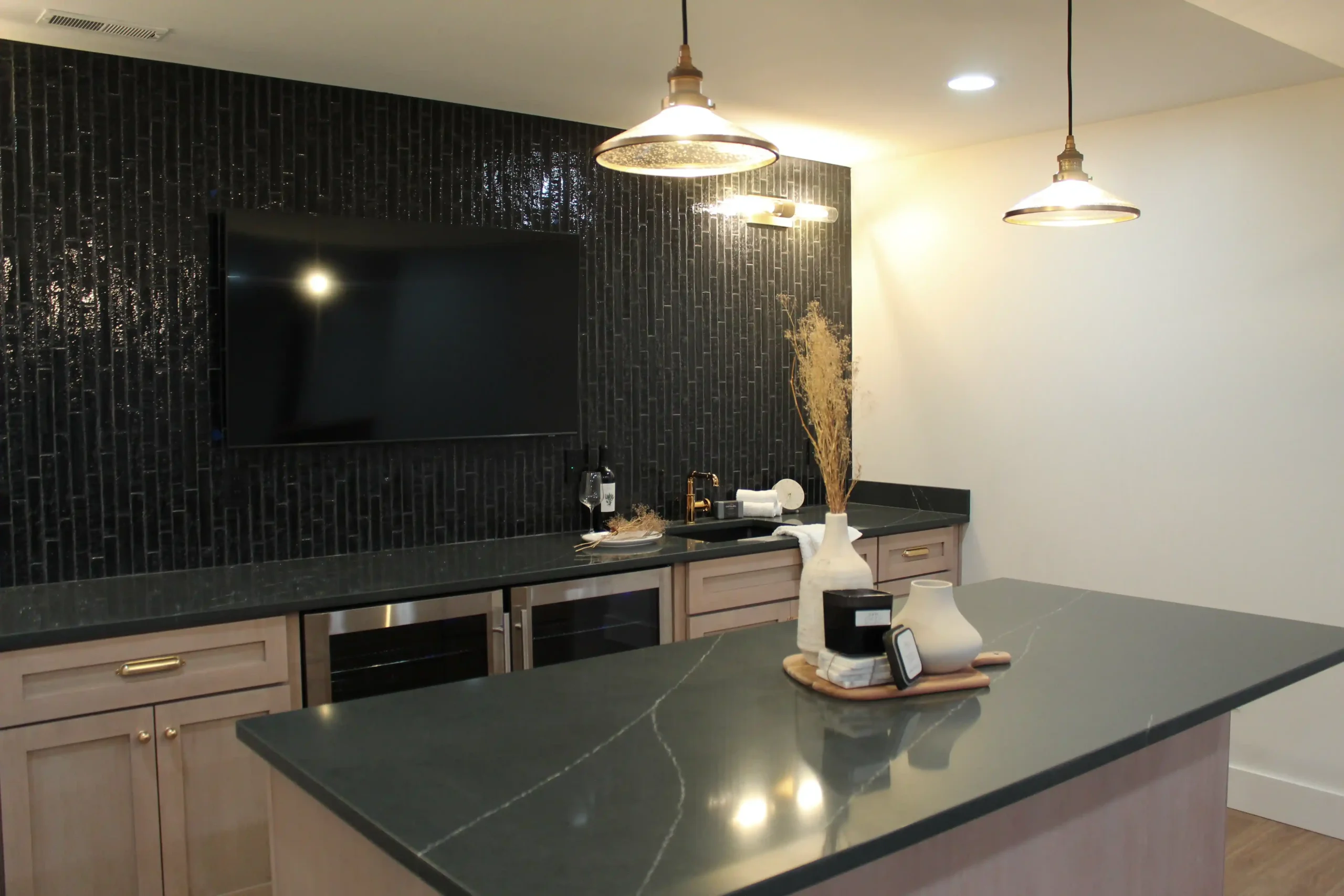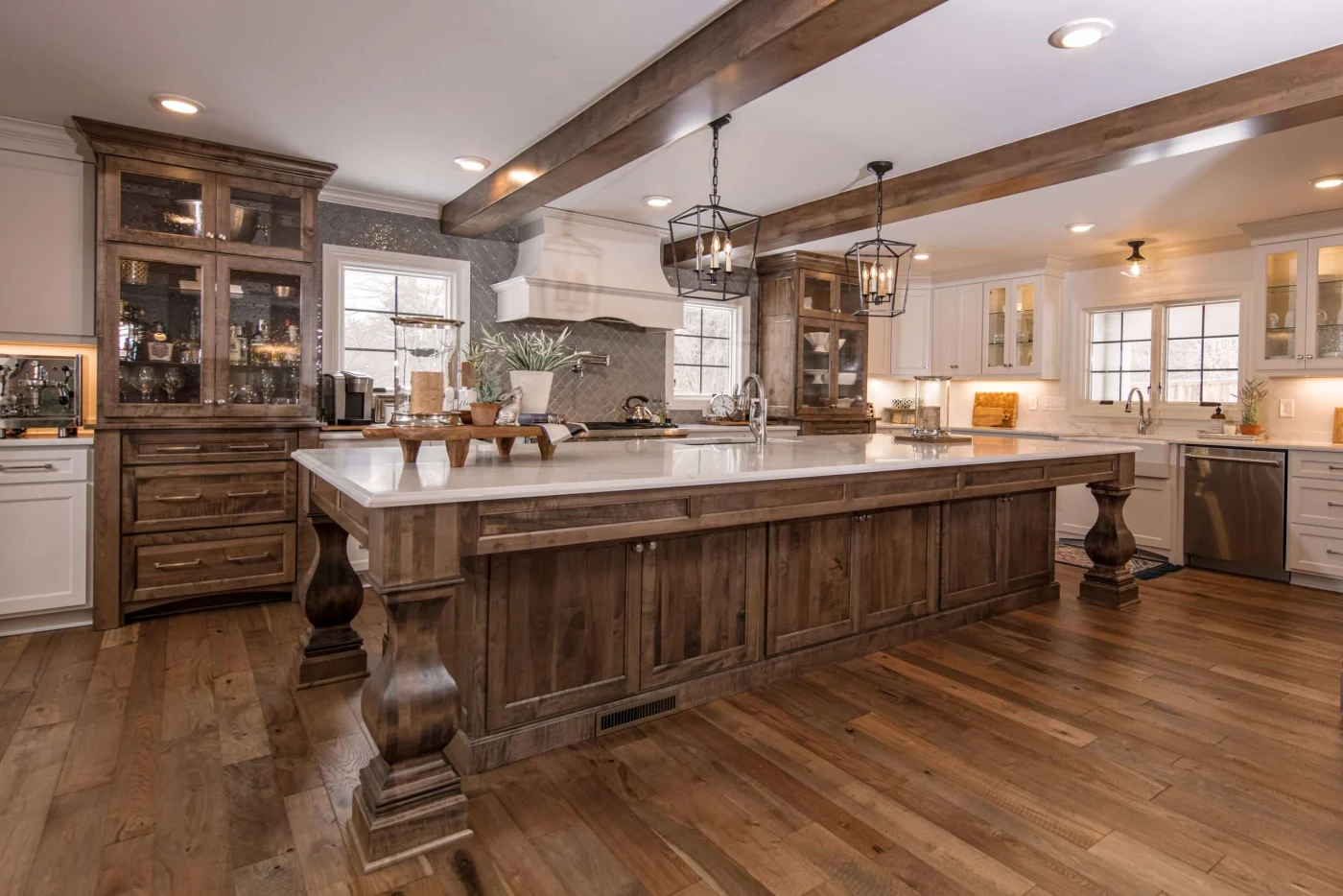
In general, granite is better for hard-working kitchens because it is harder, more heat-resistant, and less prone to staining and scratching. Marble, on the other hand, is chosen primarily for its classic, luxurious appearance and distinctive veining, even though it requires more care and usually costs more over time.
Understanding how these materials differ in durability, maintenance, appearance, and cost can help you make a confident decision that fits both your lifestyle and your budget.
| Feature | Granite Countertops | Marble Countertops |
|---|---|---|
| Overall best for | Busy, hard-working kitchens | Luxury-focused, design-driven kitchens |
| Hardness (Mohs scale) | ~6–7 (very hard) | ~3–5 (softer stone) |
| Scratch resistance | High resistance to scratches and chips | Scratches easily, especially with knives or cookware |
| Heat resistance | Excellent; handles hot pots well (trivets still recommended) | Moderate; prolonged heat can cause damage or discoloration |
| Stain resistance | Good, especially when sealed | Poorer; stains easily from oils, wine, and acids |
| Reaction to acids | Resistant to etching | Etches from lemon juice, vinegar, tomato sauce |
| Porosity | Lower porosity | Higher porosity |
| Maintenance level | Low to moderate | High |
| Sealing frequency | Every 1–3 years | Often yearly or more |
| Daily cleaning | Mild soap and water | Gentle, non-acidic cleaners only |
| Appearance | Speckled or varied patterns; wide color range | Elegant veining; mostly white/gray tones |
| Aging over time | Maintains appearance well | Develops patina (etching and wear) |
| Material cost | Generally lower | Generally higher |
| Installation difficulty | Heavy but durable; standard stone installation | More fragile; requires extra care and skilled installers |
| Long-term ownership cost | Lower | Higher due to maintenance and refinishing |
| Typical homeowner profile | Families, avid cooks, low-maintenance preference | Design-focused homeowners comfortable with upkeep |
Durability and Everyday Maintenance
One of the biggest differences between granite and marble is hardness. Granite ranks around 6–7 on the Mohs hardness scale, making it one of the toughest natural stones commonly used in kitchens. This hardness gives granite excellent resistance to scratches, chips, and everyday wear. It can handle heavy cookware, frequent meal prep, and busy households without showing damage quickly.
Marble is significantly softer. While still a durable stone in architectural terms, it is much more vulnerable in a kitchen setting. Knives, cookware, and even rough-bottomed appliances can scratch marble surfaces. Over time, these marks accumulate, creating a worn appearance that some homeowners appreciate as character, while others see it as damage.
Maintenance requirements also differ substantially. Granite typically needs sealing once every one to three years, depending on the stone and usage. After sealing, daily maintenance is simple and forgiving. Mild soap and water are usually sufficient, and accidental spills are less likely to cause lasting damage.
Marble requires more frequent sealing and more careful daily habits. Even sealed marble can absorb liquids more easily than granite, and improper cleaners can dull or damage the surface. Owners often need to be vigilant about wiping spills immediately and avoiding abrasive or acidic products.
Stain Resistance and Heat Performance
Granite’s relatively low porosity gives it a clear advantage when it comes to staining. Oils, coffee, wine, and sauces are far less likely to penetrate granite when it is properly sealed. This makes it a practical choice for kitchens where spills are common and cleaning routines may not always be immediate.
Granite also performs well under heat. While it is still best practice to use trivets or hot pads, granite can generally tolerate hot pots and pans without cracking or discoloring. This heat resistance makes it especially appealing to serious home cooks.
Marble is far more sensitive. Its porous structure allows liquids to seep in more easily, and acidic substances like lemon juice, vinegar, and tomato sauce can cause etching, a chemical reaction that dulls or lightens the surface. These marks are not stains but permanent changes to the stone’s finish.
Heat tolerance is another concern with marble. While it does not melt or burn, repeated exposure to hot cookware can weaken the stone or cause discoloration over time. In kitchens where cooking is frequent and fast-paced, this can become a real drawback.
Visual Appeal and Design Style
Where marble shines is aesthetics. Marble is prized for its elegant veining and soft, luminous appearance. It is most commonly found in white or light gray tones, with classic varieties like Carrara and Calacatta offering distinctive patterns that feel timeless and refined. Many designers and homeowners choose marble specifically because it elevates the visual impact of a kitchen.
Marble also develops a patina over time. Small scratches, etching, and subtle stains accumulate into a lived-in look that some consider beautiful and authentic. For homeowners who value character and history over perfection, this aging process is part of marble’s appeal.
Granite offers a different kind of beauty. It comes in a wide range of colors and patterns, from subtle neutrals to bold, dramatic slabs with heavy movement. Granite’s patterns tend to be more speckled or granular, which can help disguise crumbs, smudges, and minor wear.
Because each granite slab is unique, it still provides the natural variation many homeowners want, but with a more forgiving appearance that suits both traditional and contemporary kitchens.
Cost Differences and Installation Considerations
Cost is another area where granite often has the edge. While pricing varies widely by color, origin, and availability, granite is generally more budget-friendly than marble. Many granite options are priced lower per square foot than comparable marble slabs, especially when considering popular mid-range selections.
Marble has historically been one of the more expensive natural stones, particularly premium varieties with bold veining or bright white backgrounds. In addition to higher material costs, marble’s fragility can increase labor expenses. Installers must handle marble carefully to avoid chipping edges or cracking slabs, which can add to the total project cost.
Granite is also heavy and requires professional installation, but it is less delicate during fabrication and transport. This often makes installation more straightforward and slightly less expensive compared to marble.
Over the long term, maintenance costs can widen the gap further. Marble’s need for frequent sealing, potential refinishing, and careful upkeep can add ongoing expense, while granite tends to remain stable with minimal intervention.
Long-Term Performance in Real Kitchens
In day-to-day use, granite consistently proves to be the more practical surface. Families with children, avid cooks, or homeowners who want a countertop they do not have to constantly monitor tend to prefer granite. It tolerates mistakes, missed spills, and heavy use without demanding constant attention.
Marble performs best in kitchens where cooking is lighter or where aesthetics clearly outweigh practicality. Some homeowners choose marble for islands or baking stations, where heat and acid exposure may be more controlled, while using a tougher material for perimeter countertops.
This hybrid approach allows homeowners to enjoy marble’s beauty without subjecting it to the most demanding tasks.
When Granite Is the Better Choice
Granite is the better option if your priorities include durability, ease of maintenance, and long-term value. It is well-suited to kitchens that see frequent cooking, entertaining, and daily activity. Homeowners who want natural stone without constant worry about spills, scratches, or heat typically find granite to be the most satisfying choice.
Granite also works well for those watching their budget but still wanting a premium, natural material. With its wide variety of colors and patterns, it can adapt to many design styles while remaining practical.
When Marble Makes Sense
Marble is the right choice when visual impact and classic elegance are the top priorities. If you love the look of white stone with dramatic veining and are comfortable with patina, maintenance, and higher costs, marble can be incredibly rewarding.
Homeowners who enjoy baking, prefer a cooler surface for pastry work, or want a statement kitchen often gravitate toward marble. Success with marble comes from understanding its limitations and embracing its natural aging process rather than fighting it.
Final Thoughts: Choosing What Fits Your Lifestyle
Granite and marble are both beautiful natural stones, but they serve different types of kitchens and homeowners. Granite excels in performance, durability, and value, making it ideal for busy, functional kitchens. Marble excels in elegance and timeless appeal, offering unmatched visual sophistication at the cost of higher maintenance and care.
The best choice is not about which stone is objectively better, but which one aligns with how you live, cook, and maintain your home. By weighing durability, maintenance, appearance, and budget together, you can select a countertop material that delivers both satisfaction and longevity in your kitchen.