Bathroom remodeling is one of the most common home improvement projects in Portage County, Ohio. Homeowners often update bathrooms to improve comfort, increase property value, or modernize outdated fixtures and layouts. While the design and construction aspects of a remodel get most of the attention, there is an important step many homeowners overlook: building permits.
Understanding when a permit is required can help avoid delays, fines, or issues when selling your home later. In most cases, bathroom remodeling projects in Portage County do require permits, especially when plumbing, electrical, or structural changes are involved. Working with an experienced design-build contractor such as Element Design and Build helps ensure the project follows local codes and that all required permits are handled properly.
Why Building Permits Matter for Bathroom Remodeling
Building permits exist to ensure construction projects meet safety standards and comply with local building codes. When a permit is issued, the project plans are reviewed and inspections are scheduled during the renovation process.
These inspections help verify that the work is safe, structurally sound, and compliant with regulations that protect homeowners and future buyers. In Portage County, the Building Department is responsible for reviewing plans, issuing permits, and conducting inspections for construction, remodeling, electrical work, mechanical systems, and other residential improvements.
For bathroom remodeling projects, permits ensure that plumbing systems are installed correctly, electrical wiring is safe, and structural elements are not compromised. Skipping permits may seem like a way to save time, but it can create serious issues later if problems arise or if unpermitted work is discovered during a home sale.
Yes, Bathroom Remodeling Usually Requires a Permit
In Portage County and throughout Ohio, most bathroom remodeling projects require permits when the work goes beyond simple cosmetic updates. Generally, permits are required whenever a renovation involves plumbing, electrical systems, or structural modifications.
Common bathroom remodeling projects that typically require permits include:
- Moving or installing plumbing fixtures such as toilets, sinks, showers, or bathtubs
- Adding new electrical wiring, outlets, lighting circuits, or ventilation fans
- Changing the layout of the bathroom
- Removing or building walls
- Upgrading ventilation systems or HVAC components
- Installing new plumbing lines or drains
Even though these upgrades are common in modern remodels, they must follow local building codes and often require inspection during construction.
Because of this, most full bathroom renovations in Portage County involve multiple permits, such as plumbing permits, electrical permits, and sometimes structural permits.
Bathroom Updates That May Not Require a Permit
Not every bathroom project requires official approval from the building department. Some smaller updates are considered cosmetic improvements and can typically be completed without permits.
These projects usually include:
- Painting walls or ceilings
- Replacing cabinet hardware
- Installing new mirrors or shelving
- Replacing flooring without altering the subfloor
- Swapping faucets or fixtures in the same location
Simple updates like these generally do not affect plumbing, electrical systems, or structural components. Because they do not change how the home’s systems function, permits are often not necessary.
However, the moment a project involves plumbing relocations, electrical upgrades, or structural changes, permits are almost always required. Homeowners who are unsure should always check with the local building department or consult with a qualified contractor before starting work.
Who Issues Bathroom Remodeling Permits in Portage County
In Portage County, building permits are typically issued by the county Building Department or by the municipality where the home is located. The county department serves many townships and villages and oversees permits, plan reviews, and inspections for residential construction projects.
However, certain cities such as Kent, Ravenna, Streetsboro, and Aurora manage their own building departments and permit systems. Homeowners living in these areas must apply through the appropriate local office.
The permit process usually involves submitting construction plans, paying application fees, and scheduling inspections at different stages of the project. These inspections may occur after plumbing work, electrical installation, framing changes, and final completion.
The Typical Permit Process for a Bathroom Remodel
Although the idea of permits may sound complicated, the process is relatively straightforward when working with an experienced contractor.
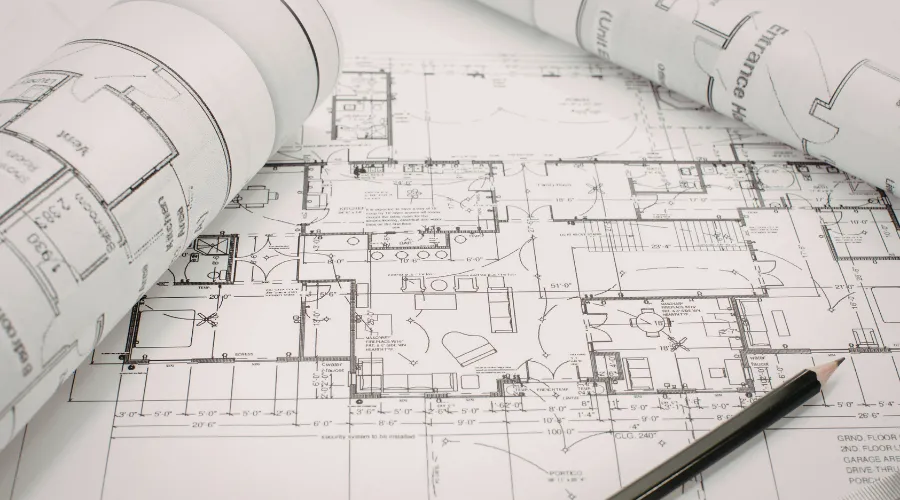
The first step involves preparing detailed plans for the bathroom renovation. These plans show the new layout, plumbing locations, electrical components, and structural changes if any are involved.
Next, the plans are submitted to the appropriate building department for review. Once approved, the building department issues the necessary permits so construction can begin.
During the renovation, inspectors will visit the property to verify that plumbing, electrical systems, and other components meet code requirements. After the project is completed and passes the final inspection, the permit is officially closed.
This process protects homeowners by ensuring the renovation meets safety standards and local building regulations.
What Happens If You Skip a Permit
Some homeowners consider skipping permits to save time or reduce project costs. However, this decision can lead to significant problems.
Unpermitted construction can result in stop-work orders, fines, or the requirement to remove and redo completed work. In some cases, homeowners may need to open walls or flooring so inspectors can verify the work that was done.
Unpermitted renovations can also create complications when selling a home. Buyers and lenders may request proof that remodeling work was completed legally and inspected by the local building department.
Because of these risks, obtaining permits is almost always the safest and most responsible approach to remodeling.
Why Working With a Professional Contractor Matters
Navigating building permits can be confusing for homeowners, especially if they are unfamiliar with local codes and requirements. This is one reason many homeowners choose to work with professional design-build contractors.
Experienced remodeling companies understand the local permit process and handle the paperwork, submissions, and inspections required for the project.
Contractors also ensure that plumbing, electrical work, ventilation, and structural modifications meet building codes. This helps prevent delays and ensures the finished bathroom is safe, functional, and compliant with regulations.
Professional contractors also coordinate with inspectors and make sure the project progresses smoothly from planning through final approval.
How Element Design and Build Helps With Permits
Element Design and Build helps homeowners throughout Northeast Ohio navigate the entire bathroom remodeling process, including permits and inspections.
When a homeowner begins a bathroom remodeling project, the team works through a structured design-build process that includes planning, layout design, and construction documentation. Part of that process involves identifying which permits are required based on the scope of work.
Unlike standard contractors who make you pull your own permits or hire a separate architect, Element Design Build Remodel handles the architectural drawings, engineering requirements, and county paperwork entirely in-house. Contact us today to get started!