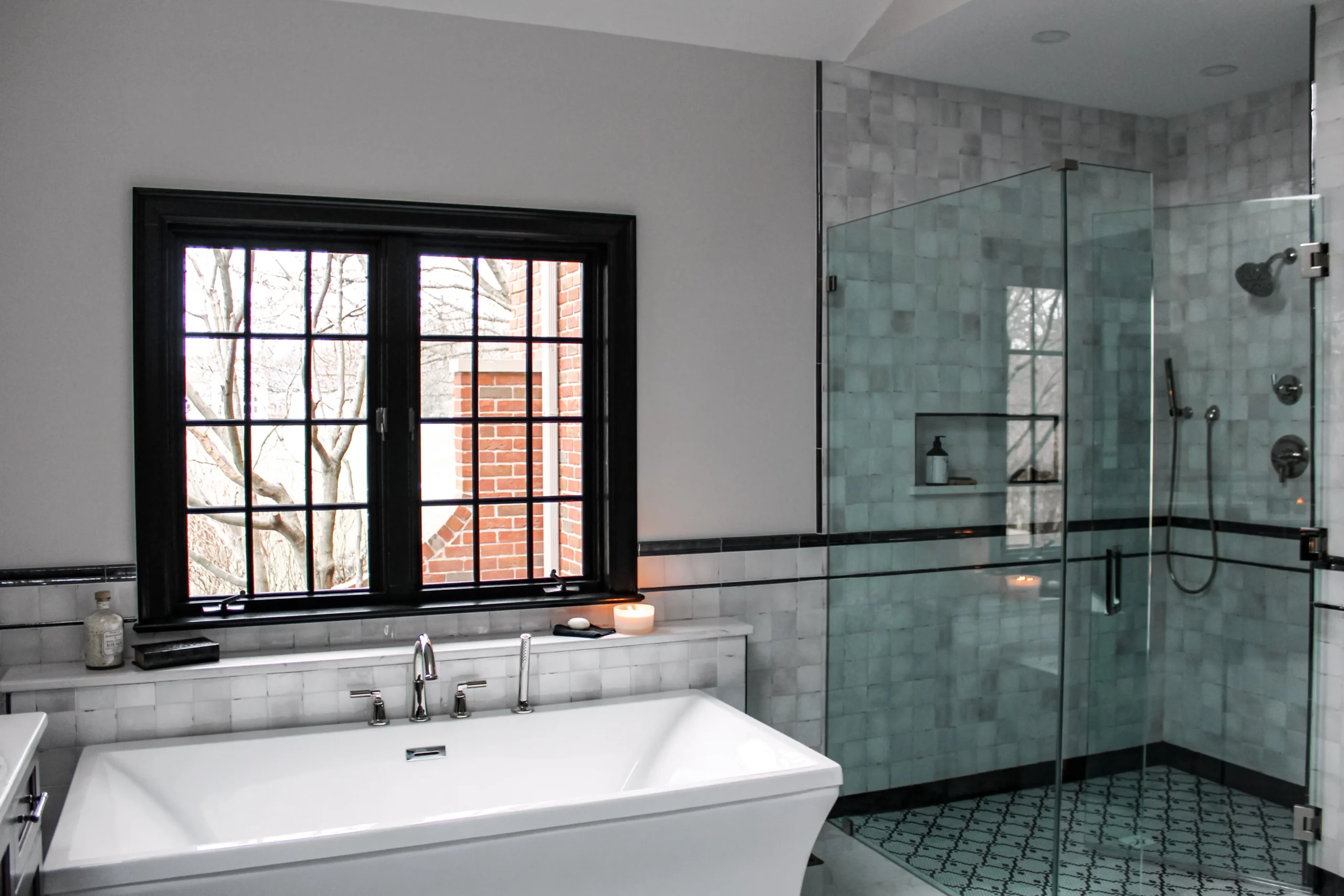
The most expensive part of a bathroom remodel is usually the wet area, which includes the shower, bathtub, and the plumbing work behind them. This section of the project requires specialized labor, high-quality waterproofing, and detailed installation, all of which drive up the overall cost for homeowners. Bathroom remodels typically range from $6,700 to over $16,000, depending on the size of the bathroom, the materials selected, and the complexity of the project.

Why the Wet Area Costs the Most
The wet area consistently takes up the largest portion of the bathroom remodel budget because it demands extensive technical work. Showers and tubs need proper waterproofing, expert plumbing, and precise tile installation to prevent leaks and long-term structural damage. Any layout changes, such as moving water lines or drains, increase the cost even further because they require more labor and inspections.
For homeowners who choose custom tile, floor-to-ceiling shower surrounds, luxury fixtures, or glass shower enclosures, the cost rises quickly. These upgrades enhance the look and function of the bathroom but also require additional time, materials, and expert craftsmanship.
How Plumbing Influences the Price
Plumbing work is a major contributor to why the wet area is the most expensive part of a bathroom remodel. Updating old pipes, rerouting water lines, repairing hidden water damage, or bringing older homes up to code requires a licensed plumber. Plumbing alone can account for a significant portion of the total cost, and in many remodels, it is one of the top labor expenses.
For homes with outdated plumbing systems, surprises are common once walls are opened. Repairs and replacements add to the budget but are essential for safety, proper water pressure, and long-term performance.
The Role of Labor Costs in Bathroom Remodeling
Labor plays a major part in why the wet area dominates the budget. Skilled tradespeople are essential to ensure the bathroom is built correctly and meets local codes. Because the wet area requires the most technical expertise, it demands the highest concentration of labor hours.
Complex layouts, intricate tile patterns, heated flooring, or custom-built shower systems increase the amount of labor required. In many remodels, labor overall accounts for a large portion of the total cost, especially when several trades are working in the same tight space.
Materials That Add to the Cost of the Wet Area
Even though labor is a major expense, the materials chosen for the wet area also significantly impact the budget. Tile, stone, quartz, shower systems, specialty waterproofing membranes, and custom glass panels all vary widely in price. Luxury materials create a high-end finish but come with a higher cost per square foot.
Homeowners also often invest more in this part of the bathroom because the shower or tub area is a focal point. Durable, waterproof materials are essential, and higher-quality products reduce the risk of future repairs.

How Design and Layout Changes Increase the Cost
When homeowners want a new layout, the wet area becomes even more expensive. Moving a shower from one side of the bathroom to another or converting a tub into a full walk-in shower affects plumbing, electrical work, framing, and waterproofing.
These changes also require updated permits and inspections, which add both time and cost. Remodeling older homes often reveals structural or moisture issues that need correction before the new shower or tub can be installed.
Real Examples of Cost Drivers Homeowners Experience
Many homeowners find that the majority of their bathroom remodeling budget ends up in the wet area. Whether installing a custom tile shower, replacing outdated plumbing, or adding a freestanding tub, these features require more materials and labor than any other section of the bathroom.
Those who choose frameless glass doors, high-end fixtures, or custom stone work typically see their wet area become the single largest investment in the project.
Why the Wet Area Requires the Most Precision
The shower and tub area must be built with exact precision because mistakes can cause long-term water damage. Proper sloping, sealed tile, accurate plumbing connections, and tested waterproofing layers protect the home from leaks.
Because the stakes are high, remodelers like Element Design and Build focus heavily on quality installation, proper preparation, and durable materials. This attention to detail ensures the wet area performs well for years but also contributes to its cost.
How Homeowners Can Manage Costs in the Most Expensive Area
Homeowners can manage costs by keeping the existing plumbing layout when possible. Choosing mid-range tile or limiting tile to key areas reduces materials and labor without sacrificing the overall aesthetic.
Some homeowners focus their budget on one key feature while keeping other elements simple. Working with an experienced remodeling team helps homeowners make smart decisions that balance cost, style, and long-term durability.
Why Understanding Cost Drivers Helps Your Remodel
Understanding that the wet area is the most expensive part of a bathroom remodel helps homeowners plan and budget effectively. When you know where most of the money goes, you can allocate your budget wisely and avoid unexpected surprises during construction.
This awareness also helps homeowners communicate clearly with their contractor, prioritize features, and choose materials that fit both their design goals and their budget.
Conclusion
The most expensive part of a bathroom remodel is the wet area, including the shower, bathtub, and the plumbing that supports them. This section requires specialized labor, quality waterproofing, and precise installation, making it the largest investment in nearly every remodel. By understanding why the wet area costs the most and working with an experienced team like Element Design and Build, homeowners can make informed choices, control their budget, and achieve a beautiful, long-lasting bathroom transformation.