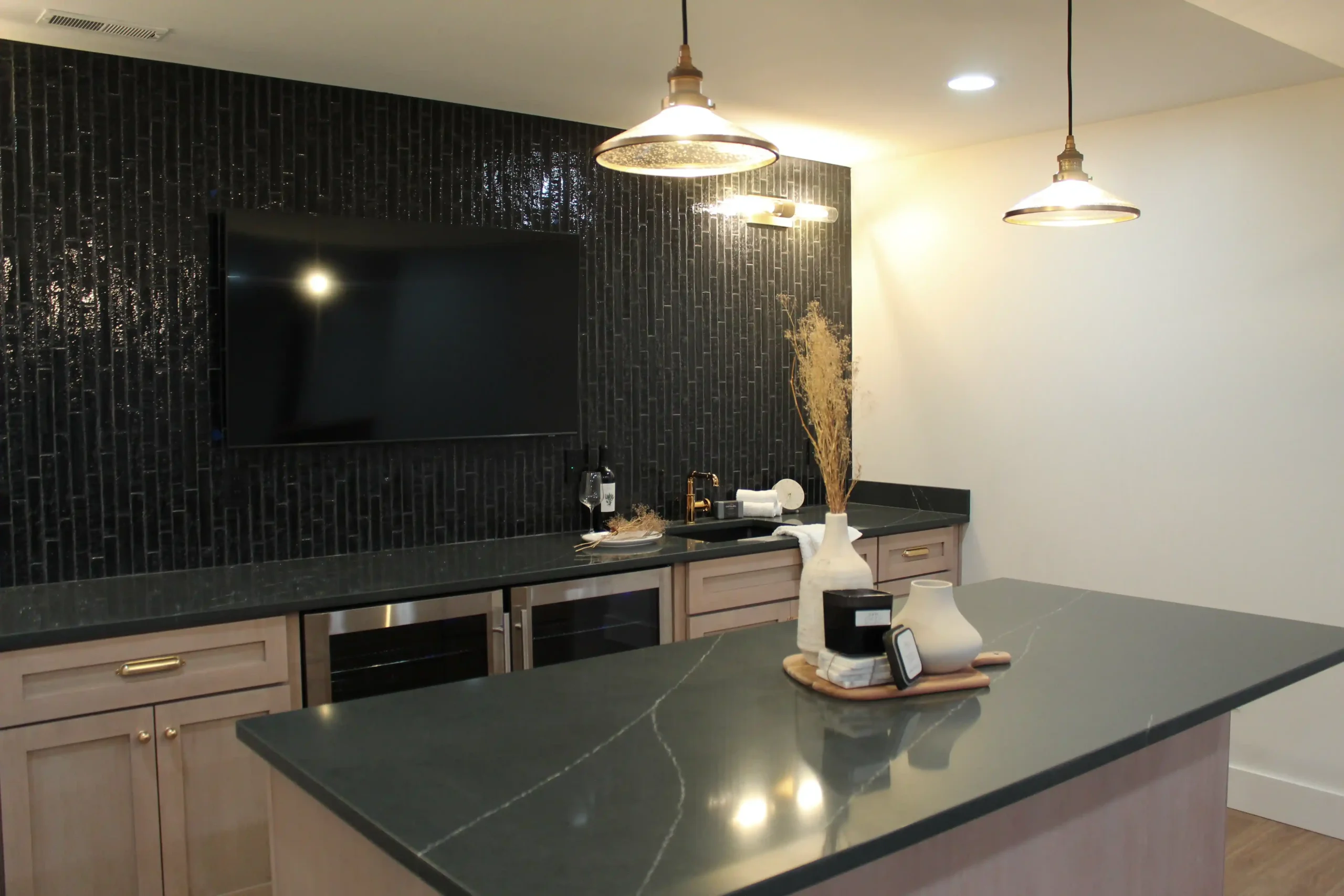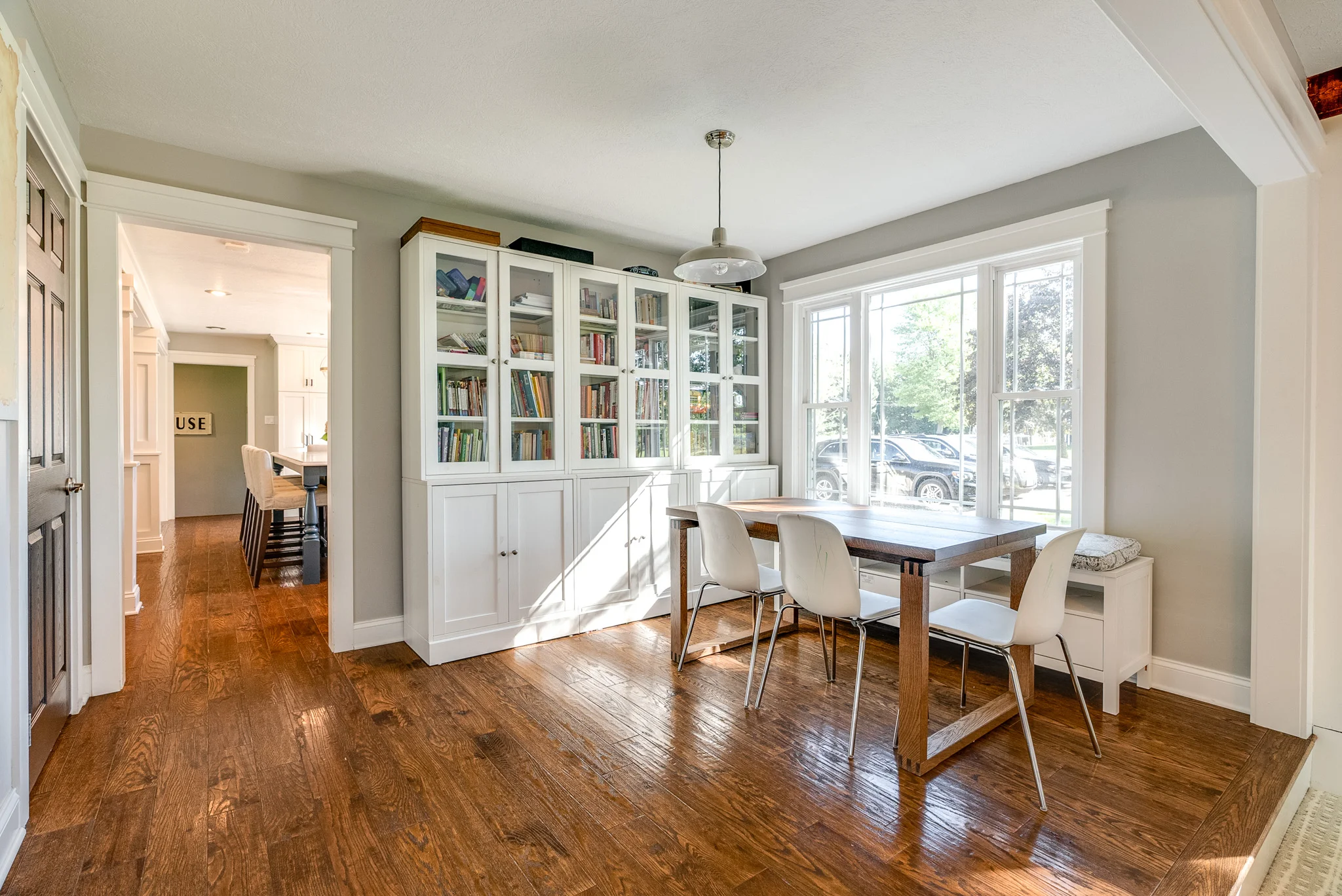
Building permits are required for most construction projects in Summit County, whether you’re building a new home, adding onto your property, or completing a major renovation. While the process may seem complicated at first, understanding how permits work can help you avoid delays, fines, and costly mistakes. Working with an experienced team like Element Design Build Remodel can make the process much smoother, since they are familiar with local requirements and permitting procedures.
What Is a Building Permit in Summit County?
A building permit is official approval from your local municipality that allows construction to begin. In Summit County, permits are typically issued at the city or township level rather than by the county itself. This means requirements can vary depending on where your property is located, such as in Akron or Hudson.
Permits confirm that your project meets the Ohio Residential Code (ORC) for residential work or the Ohio Building Code (OBC) for commercial projects. These state-adopted codes are based on national standards and are designed to ensure safety, structural integrity, and proper construction practices.
When You Need a Building Permit
Most construction projects require a permit in Summit County. If your project involves structural changes, electrical work, plumbing, or mechanical systems, approval is typically required before work begins.
Common projects that require permits include new home construction, home additions, kitchen and bathroom remodels, finished basements, decks, garages, roofing work, window replacements, and HVAC system installations.
Minor cosmetic updates such as painting, flooring, or replacing cabinets without altering structure usually do not require permits. However, it’s always best to confirm with your local building department before starting any work.
Zoning Approval Comes First
Before applying for a building permit, many projects must first receive zoning approval. Zoning regulations determine how a property can be used and where structures can be placed on the lot.
This step may include reviewing setbacks, lot coverage, building height, and property use. If your project does not meet local zoning requirements, you may need a variance or adjustment before moving forward.
Skipping this step can delay your project, so it’s important to verify zoning compliance early in the planning process.
Documents Required for Permit Approval
To obtain a permit, you will need to submit a complete set of documents. Most projects require architectural plans that show layouts, dimensions, and elevations. Larger or more complex projects may require structural drawings prepared by a licensed professional.
A site plan is also typically required. This document outlines property lines, setbacks, and the placement of the structure on the lot. Depending on the project, additional documentation may include drainage details, grading plans, or contractor information.
Submitting complete and accurate documents helps speed up the review process and reduces the chance of delays.
Plan Review Timeline
Permit approval timelines can vary depending on the complexity of the project and the workload of the local building department.
Smaller projects may be approved within a few weeks, while larger additions or new home construction can take longer, especially if revisions are required. Planning ahead and allowing extra time for permitting is important to keep your project on schedule.
Inspections During Construction
Once your permit is issued, inspections are required throughout the construction process. These inspections ensure that the work matches the approved plans and complies with all applicable codes.
Typical inspections include foundation, framing, electrical, plumbing, and mechanical systems. Each phase must be approved before moving on to the next stage.
At the end of the project, a final inspection is completed. Once approved, you will receive a Certificate of Occupancy or final approval, allowing the space to be legally used.
Fees Associated With Building Permits
Building permit fees in Summit County vary based on the size and scope of the project. Fees may include application costs, plan review fees, and inspection fees.
Larger or more complex projects typically have higher fees due to the additional time required for review and inspections. While these costs add to the overall budget, they are essential for ensuring the project is safe and compliant.
Local Considerations in Summit County
Building in Summit County comes with its own local considerations. Weather conditions, seasonal construction timelines, and soil conditions can all impact how projects are planned and executed.
Additionally, because permitting is handled at the local level, requirements may differ slightly between municipalities. Understanding these differences early can help avoid delays and ensure a smoother process.
Final Thoughts on Summit County Building Permits
Understanding the building permit process in Summit County is an important step in any construction project. While the process involves multiple steps, proper planning and the right team can make it much more manageable.
If you’re planning a renovation, addition, or new build, working with Element Design Build Remodel can help streamline the permitting process and ensure your project is completed efficiently and correctly. Contact Element today to get started!